
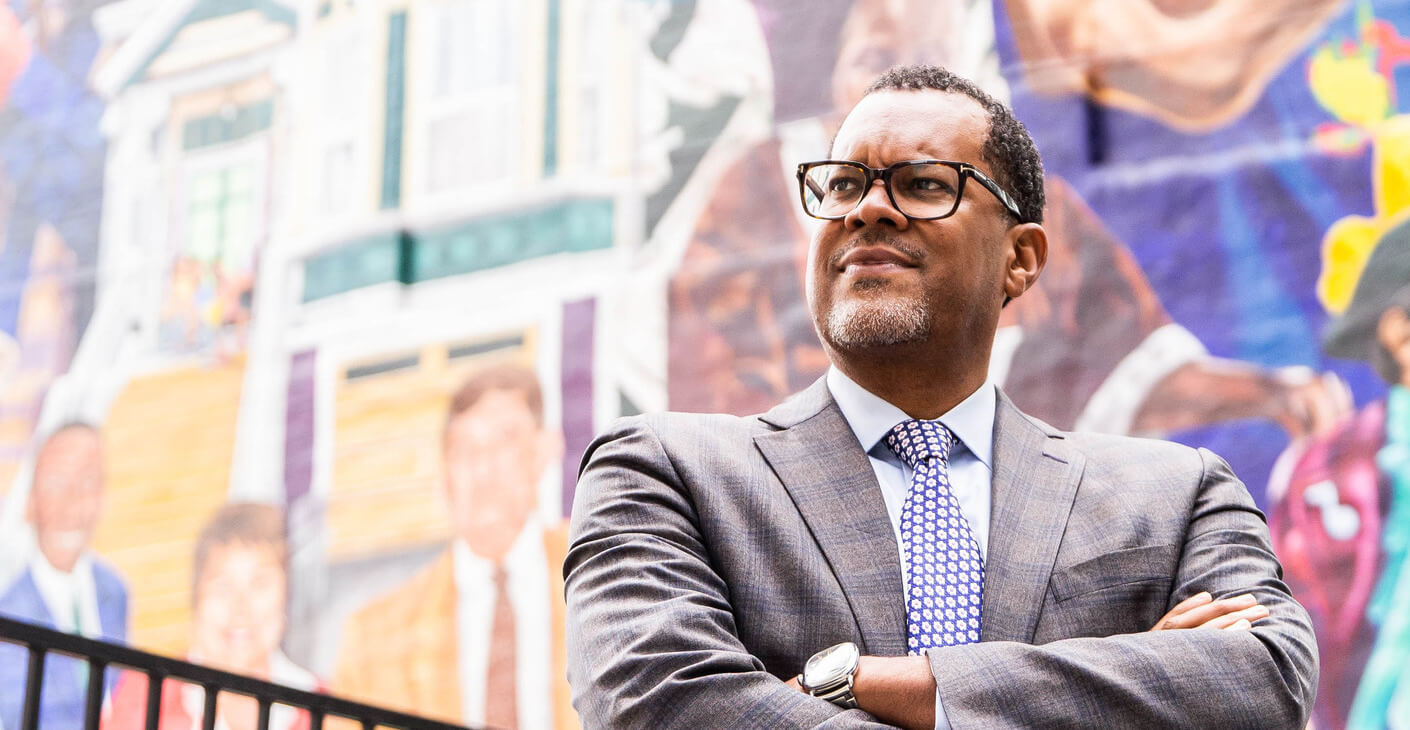
The California Governor’s debate on housing made clear what too many families across the state already know: housing is the central issue. Rising rents, displacement, and homelessness are putting pressure on communities everywhere, and they’re looking for leadership that matches the scale and urgency of the crisis.
This race is crucial because the next governor will shape the policies, investments, and partnerships that determine whether California meaningfully addresses its housing shortage or continues to fall short. From state budgets and housing production targets to tenant protections and homelessness prevention, this election will help determine not just how much housing we build, but who that housing is for, and who gets to stay in the communities they call home.
At the San Francisco Foundation, we see the consequences of these decisions every day. As a regional community foundation, our role is to bring together resources, partners, and leadership to tackle challenges that no single institution or sector can solve on its own. Housing is at the top of that list.
We are all‑in on housing because who gets to live where, and who doesn’t, still tracks too closely with race, income, and access to opportunity. When families are pushed out of their neighborhoods, when people can’t afford to live near their jobs, and when neighbors fall into homelessness, the impacts don’t stop in the moment; they ripple across generations. If we are serious about equity, we have to be serious about housing.
What came through in the debate is that there are different ideas about how to tackle the crisis—but no real disagreement about how complex it is. There’s no single lever that will fix this. We need a full set of solutions: producing housing at all income levels, preserving affordability, preventing homelessness, and protecting tenants. Each of these strategies depends on the others. If we don’t hold both the immediate challenges and the long-term structural changes at the same time, we won’t get where we need to go.
The debate also reinforced what housing advocates have long known: tenant protections are essential. Outside the debate, people gathered for the People’s Housing Crisis Forum to lift up the urgency of protecting renters and preventing homelessness. I want to thank those organizations and leaders for their clarity and resolve. Keeping people housed is one of the most effective—and humane—ways to reduce homelessness.
This is a Bay Area–wide challenge, and it calls for a bigger tent. The housing crisis doesn’t follow city or county lines, and neither can our solutions. No single sector, ideology, or institution can solve this alone—real progress depends on crossing geographic, political, and institutional lines. That’s why coordinated leadership across the region, and from the state, especially the governor, is so critical. I’m often reminded of something my mother used to say: if you think you can solve a complex problem by yourself, then either you don’t fully understand the problem, or you’re not asking the right question. Housing is exactly that kind of challenge.
Advocates, labor, business, environmental leaders, philanthropy, and government all have a role to play. When collaboration breaks down, communities pay the price—families doubling up, seniors choosing between rent and medicine, and essential workers leaving the region they serve. The cost of inaction is too high.
That’s what made this debate matter. The choices ahead aren’t abstract. They will shape who gets to stay and who gets pushed out.
We can do better. We can come together to move faster, remove barriers, and support leaders willing to say yes—yes to building more homes, yes to protecting tenants, and yes to preserving our communities.
Because in the end, this isn’t just about policy or production—it’s about who gets to belong.
