
Explore the impact and reach of the Koshland Program, which was established in 1982. Read about Kathy Sloane, the community photographer who captured many of the powerful images in this timeline.
1980s
1982
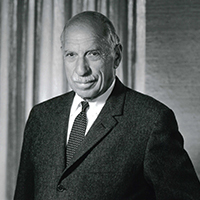
A Donation Becomes a Community Program
Daniel E. Koshland Sr., a noted Bay Area businessman, philanthropist, and co-founder of the San Francisco Foundation, leaves an unrestricted gift of $35 million to SFF upon his death in 1979. A group of SFF stakeholders, civic leaders, and Koshland’s friends approach SFF’s CEO and Board to use part of the generous gift to create a program that will honor his legacy and dedication to community-based philanthropy. After careful consideration and thoughtful planning and discussion, the Daniel E. Koshland Civic Unity Awards Program is established in 1982 as part of SFF. The program seeks to promote unity and help solve problems in Bay Area communities by supporting individuals at the local level with funding and professional development and networking opportunities. Photo: SFF archives.
1982 Director Nancy Pietrafasa
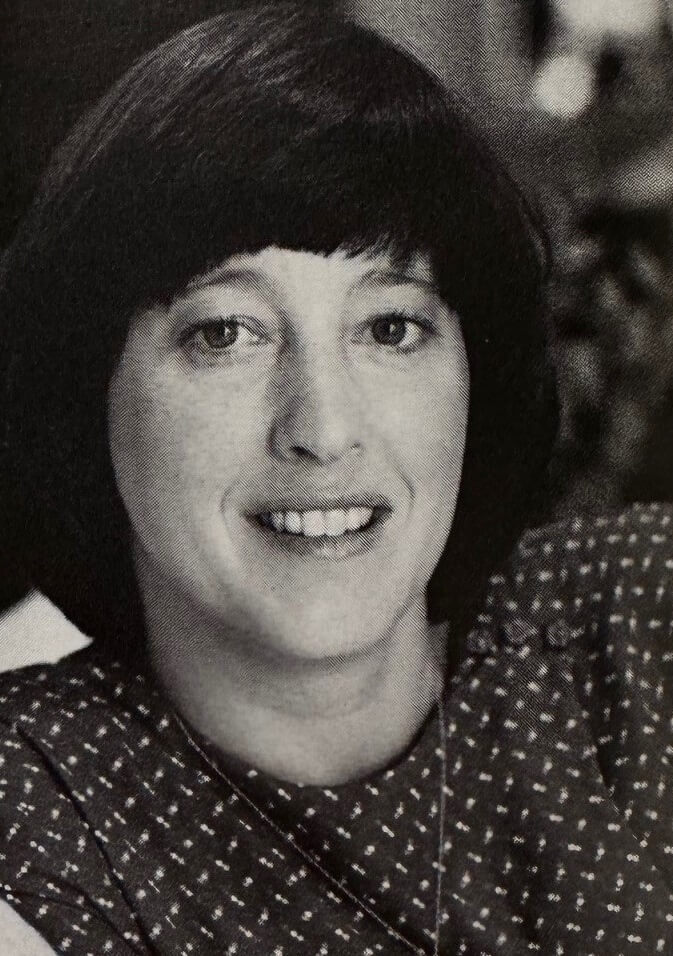
A New Program and a New Director
Getting the Koshland Program up and running is no small task. Nancy Pietrafesa, the program’s first director, oversees the program’s staff and works with its governing body, the Koshland Committee, to choose a funding theme. She also assists with the process of identifying “unsung heroes” in Bay Area neighborhoods and is involved with each cohort activity, including the initial awards ceremony, professional development training sessions, the grantmaking process, and awardee follow-up meetings. Photo: SFF archives.
1983-1988 Western Addition (San Francisco)
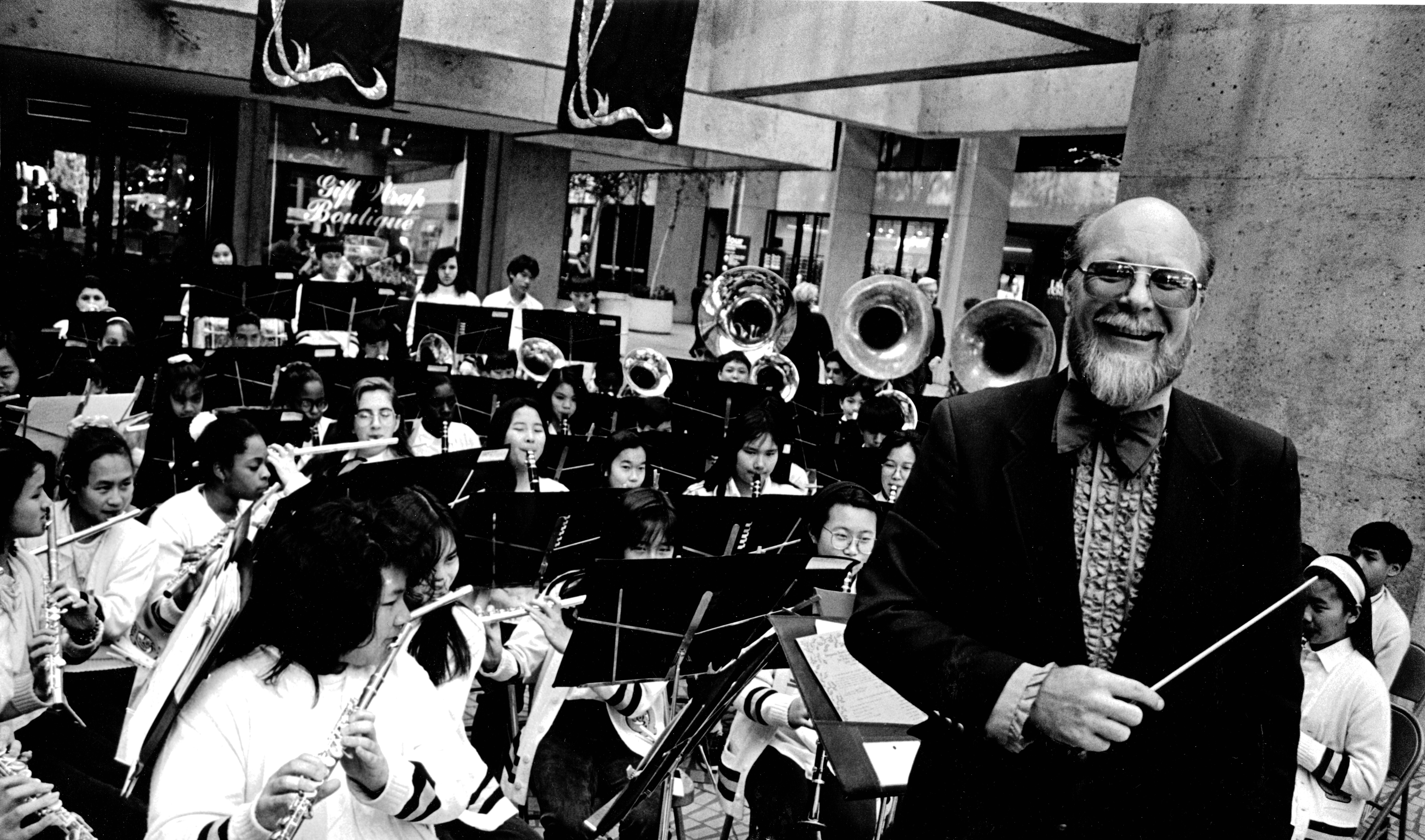
Bringing Two Communities Together: Harmonizing Japanese American and African American Youth
In the first Koshland community, located in the Western Addition of San Francisco, awardee Jack Martens, a dedicated music teacher at Benjamin Franklin Middle School, utilized his award funds to purchase musical instruments for his aspiring young musicians. Recognizing that music has the power to unite young people, Martens established a working band at the school. This initiative led to the formation of “The Band from Ben,” where a diverse group of students came together to create music. Many of these students had no prior musical experience, yet they evolved into a cohesive and highly skilled ensemble. Over time, this group performed at various events throughout the city, showcasing their talent and dedication. “The Band from Ben” continues to thrive today, embodying Martens’ spirit and commitment to children in the community. Learn more. Photo: Fred Mertz, SFF archives.
Western Addition Fellows: Sister Cathryn de Back, Sisters of St. Dominic Community Service Project; Eugene Block, Council for Civic Unity; Althea Foster, Benjamin Franklin Middle School; Louise Harvey, Concerned Black Parents of Galileo High School; Maurice James, Morrisania West; Jack Martens, Benjamin Franklin Middle School; Jeff Mori, Japanese Community Youth Council; Raye & Julian Richardson, San Francisco State University and Marcus Bookstore; Thomatra Scott, Economic Opportunity Council; Lois Sims, John Swett Alternative School; Burl Toler, SF Community College District.
1984-1989 Potrero Hill (San Francisco)
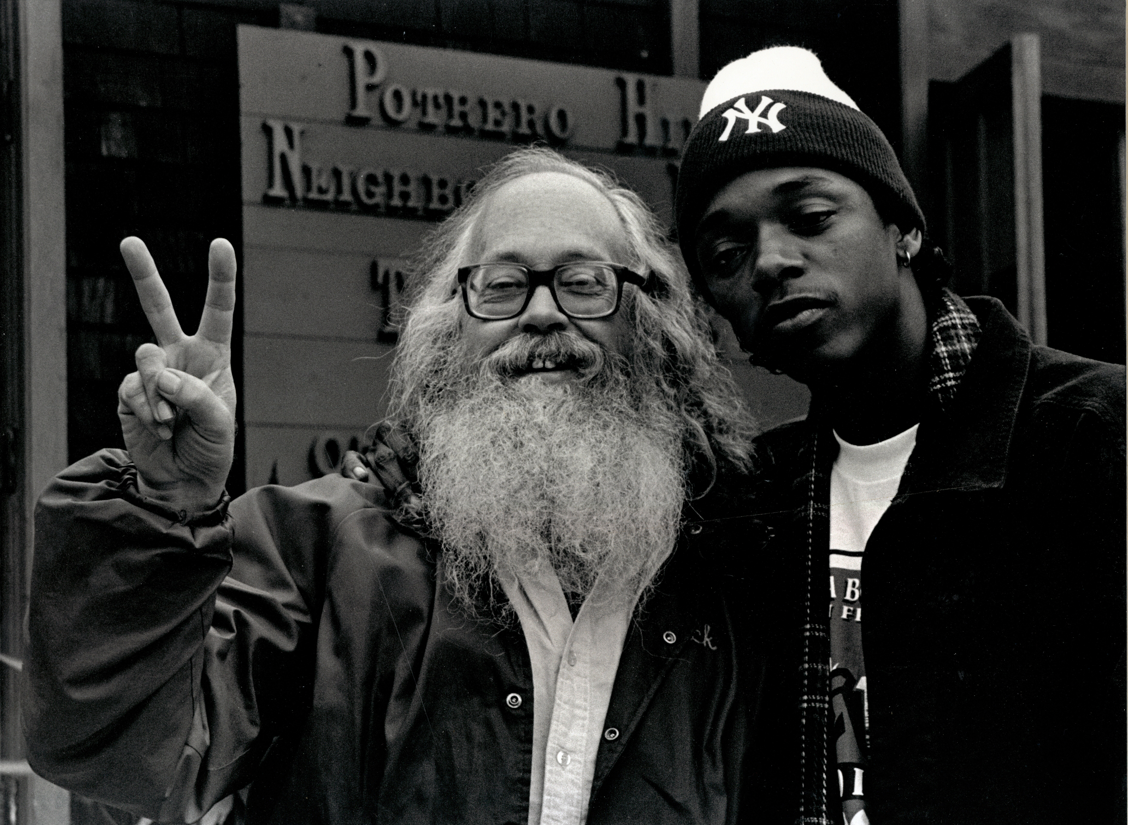
Education not Prison
On Potrero Hill, Jack Jacqua co-founded the nationally recognized Omega Boys Club/Street Soldiers (now known as Alive and Free) at the Potrero Hill Neighborhood House. Recognizing youth violence as a public health issue, Jacqua and Joseph Marshall—who was honored with the 2006 SFF Community Leadership Award and is a MacArthur Fellow—expanded their focus beyond tutoring and basketball. They developed effective strategies that guided youth toward socially constructive alternatives to violence. One notable initiative involved organizing annual tours for groups of teenagers to historically black colleges and universities (HBCUs), providing them with exposure to educational opportunities and positive role models. Photo: Fred Mertz, SFF archives.
Potrero Hill Fellows: Jon Greenberg, Potrero Hill Recreation Center; Barbara Gregory; Jack Jacqua, Omega Boys Club; Enola Maxwell, Potrero Hill Neighborhood House; John Murphy; Ruth Passen, Potrero Hill Neighborhood House; Gus Portocarrero, John O’Connell High School.
1985 Visitacion Valley (San Francisco)
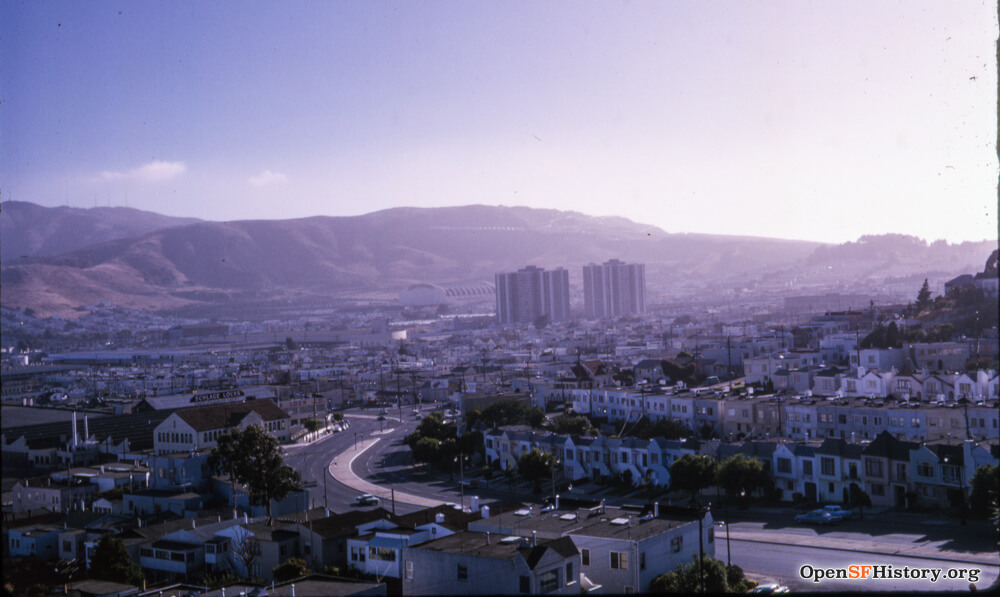
Lifting Up Our Youth: A Safe and Supportive Space for Young People
In the 1980s, Visitacion Valley, a diverse working-class San Francisco neighborhood, faces challenges including high crime rates and poverty. Despite these hardships, the community maintains a strong sense of spirit and commitment to improvement. The “Lifting Up Our Youth” program provides a safe and supportive space for young people, contributing to the overall well-being of the community and fostering hope and resilience. Photo: OpenSFHistory/wnp25.2434
Visitacion Valley Fellows: Sam Ho., M.D., HealthAmerica Rockridge Medical Center; Anne Kaartunen, Visitation Includes Parent Strength; Kim Kelly, R.N., HealthAmerica Rockridge Medical Center; Vernon Long, Geneva Towers Recreation Program; Carlos Magana, Coffman Pool Recreation Program; Pastor Jim Pittman, Valley Baptist Church; Toussaint Streat, M.D., HealthAmerica Rockridge Medical Center.
1986
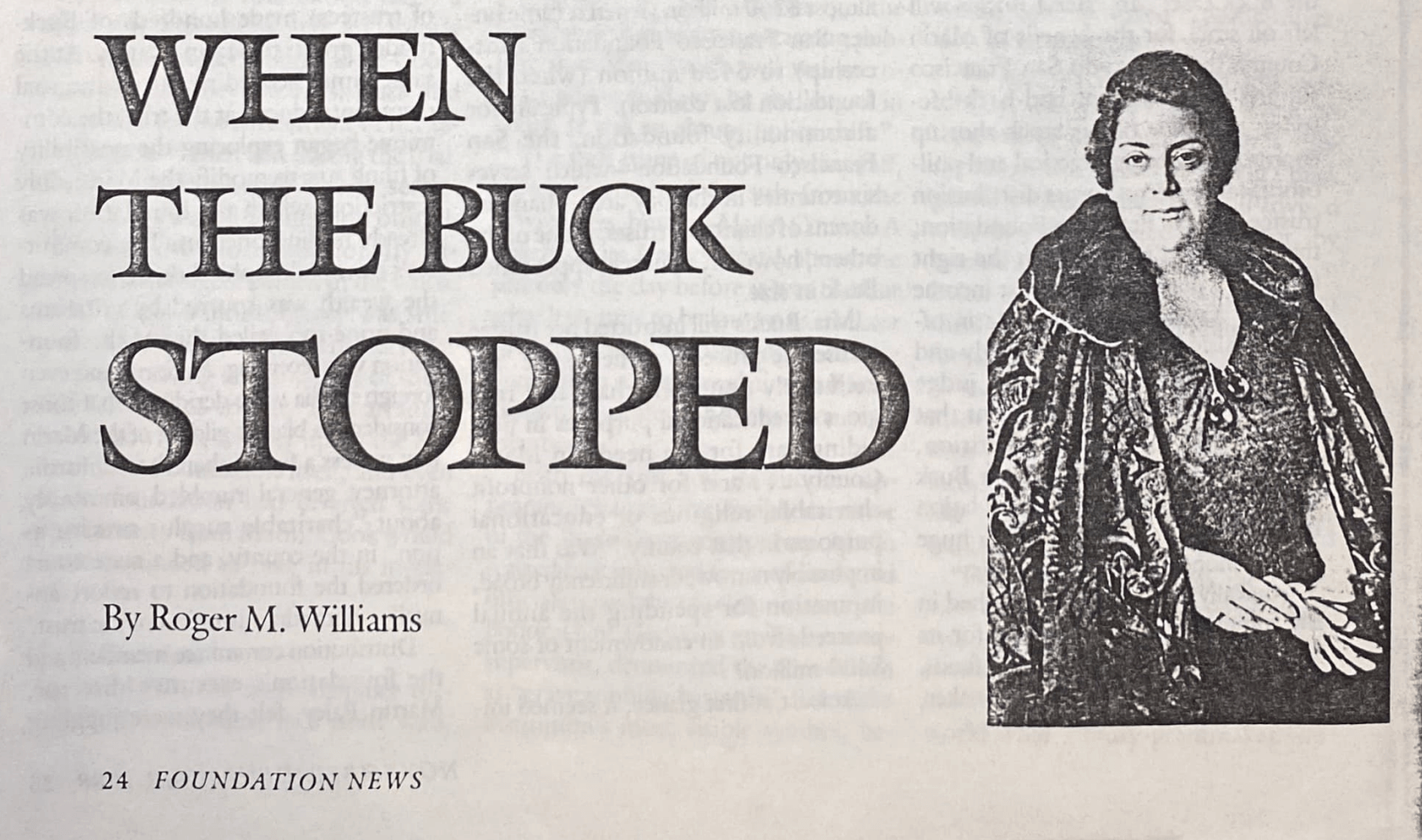
A Unfortunate Pause
SFF is required to resign the Buck Trust, a donor gift of $360 million, as part of a legal settlement. The Koshland Program is paused, and SFF is forced to lay off numerous staff, including Koshland Program Director Nancy Pietrafasa. The trust, established by Beryl Hamilton Buck in the 1970s, included the stipulation that the funds be used exclusively for organizations within Marin County. In 1979, when the assets of the trust grew exponentially after Buck’s death, SFF leaders sought to modify the trust and direct some of the funds to less affluent Bay Area communities. The attempt failed. Though this is a painful time in SFF’s history, the foundation emerges with a renewed commitment to fulfilling donors’ charitable vision while at the same time advancing social justice in the Bay Area. By 1988, the Koshland Program is back to full stride. Photo: Foundation News, 1988.
1986 Director Arnold Perkins
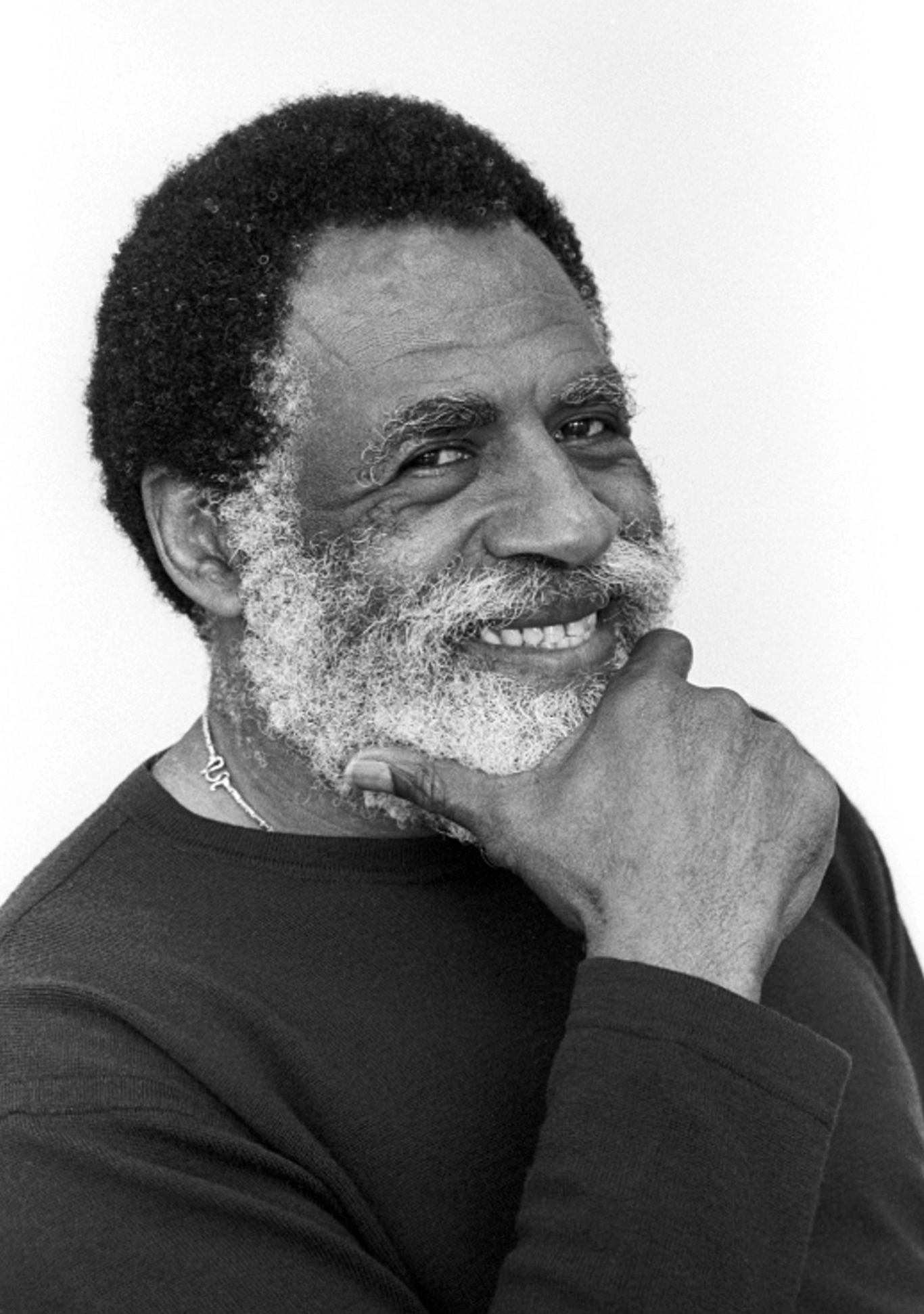
Arnold Perkins Sharpens the Program’s Focus
After a challenging period for SFF and the Koshland Program, Arnold Perkins, a dedicated community activist with experience in community development, education, criminal justice, and youth development, becomes the program’s second director. A dynamic and inspiring leader who was previously an SFF Multicultural Fellow, he brings new energy and ideas, including a sharper focus on collaboration and community. Under the program’s new structure, which remains in place today, Koshland Fellows are still recognized and receive small monetary awards, but the program’s five-year funding is provided to a single project or organization that the Fellows collectively identify and implement. Photo: SFF archives.
1989-1994 Elmhurst (Oakland)
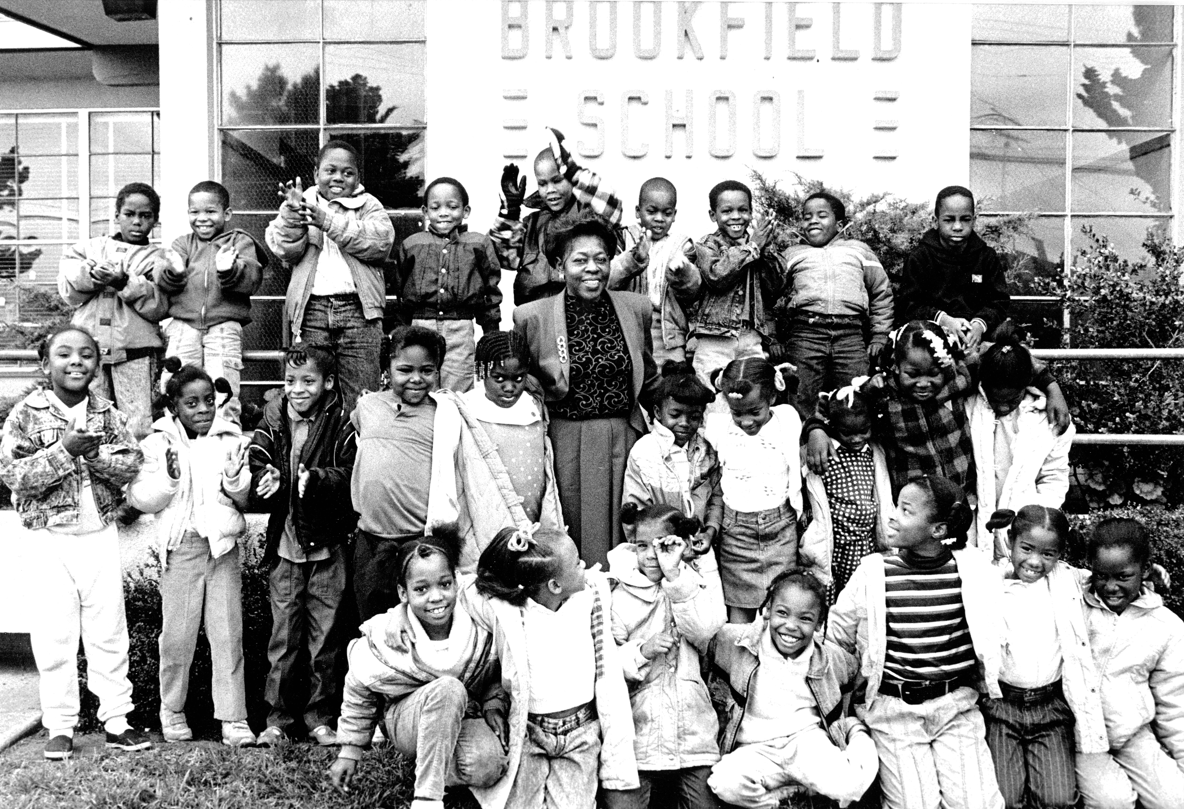
Individuals Make a Difference: Intergenerational Community Programming
Oral Lee Brown, an Elmhurst resident, had just adopted an entire kindergarten class when she received the Koshland Award. She promised the children that she would fund each child’s college education if and when they graduated from high school. Brown designated the school as her nonprofit of choice, and 17 years later she assisted 89 students with their college education. Photo of Oral Lee Brown by Kathy Sloane.
Elmhurst Fellows: Eddie Abrams, Family Resource House of Unity; Henry Allen, Elmhurst Food Pantry; Oral Lee Brown, Realtor; Lonnie Dillard, Housing Advocate; Stanley Garcia, East Oakland Boxing Association; Charles Hill, Economic Opportunity Advocate; Lee Nell Jennings, Castlemont High School; Ira Jinkins, Elmhurst Day Parade Committee; Eddie Mae Jones, Neighborhood Improvement Advocate; Lawrence Joyner, Community Advocate; Henry Perry, Bikes Unlimited; Willie Porter, East Oakland Recovery Center; Armistice Powell, East Oakland Credit Union; Phebia Richardson, Richard Allen Institute; Napoleon Sims, Scoutmaster; James Sweeney III, Neighborhood Revitalization Advocate; Ann Bouie Wilson, Project Interface.
1990s
1990-1995 Tenderloin (San Francisco)
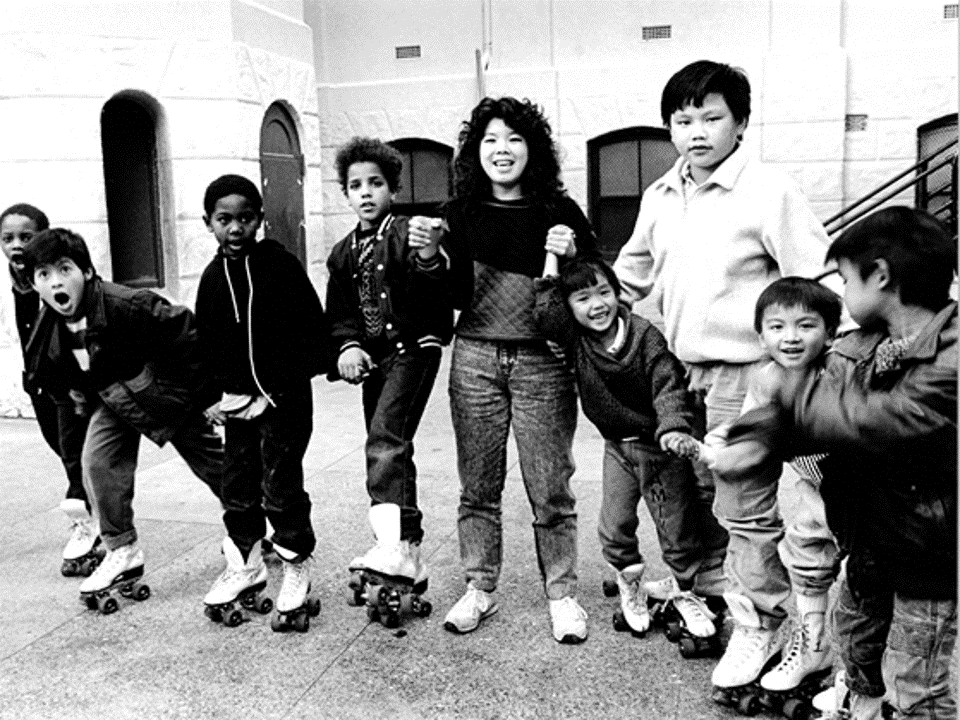
Movers and Shakers Work Together
In 1990, the Tenderloin – a neighborhood that had virtually no children residents until the influx of Southeast Vietnamese families in 1975 – suddenly found itself with 5,000 children, no schools, and only one playground. Koshland Fellows founded the Tenderloin Neighborhood Scholarship Fund, ensuring that over 300 low-income students living in the Tenderloin can pursue higher education with college scholarships. Photo of Diane Wong Chin by Kathy Sloane.
Tenderloin Fellows: Puthara Chuop, Vietnamese Youth Development Center; Sara Colm, The Tenderloin Times; Kelly Cullen, Tenderloin Neighborhood Development Corp.; Mary Dickey, Crossing Guard; Keith Grier, Boedekker Park; Louella Lee, Vietnamese Youth Development Center; Richard Livingston, Realty House; Nancy Ong, Bay Area Women’s Resource Center; John Philbrook, San Francisco Public Library; David Tran, Tenderloin Youth Advocates; Midge Wilson, Bay Area Women’s and Children’s Resource Center; Diane Wong Chin, Tenderloin Recreation Center.
1990-1995 West Oakland
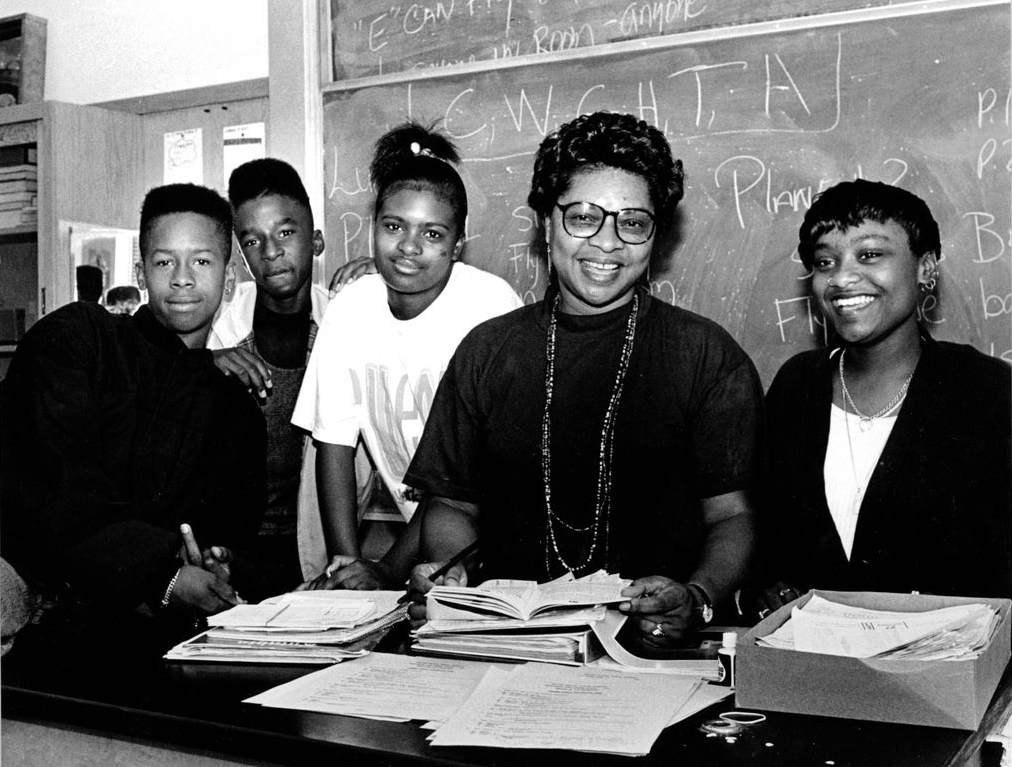
Supporting Families Through Schools
After the Loma Prieta Earthquake of 1989, the Koshland Program supported capacity building to strengthen participating organizations such as Prescott Elementary School, West Oakland Health Center, Stepping Stones Growth Center, and Healthy Babies. Photo of Bonnie Noble by Kathy Sloane.
West Oakland Fellows: Bill Belford, McClymonds High School; Francis Calpotura, Center for Third World Organizing; Maria Distler, Stepping Stones; Robin Edwards; Frances Harris, Crossing Guard; Gurret Lee Hayes; William McDavid, Defremery Recreation Center; Patricia Nelson Doyle, Scotlan Youth & Family Center; Bonnie Noble, Oakland Unified School District; Gayle Quinn, West Oakland Health Center; Majeedah Rahman, Healthy Babies Project; Dr. Isaac Slaughter, West Oakland Health Center.
1990-1994 Koshland Youth Fellowship Program
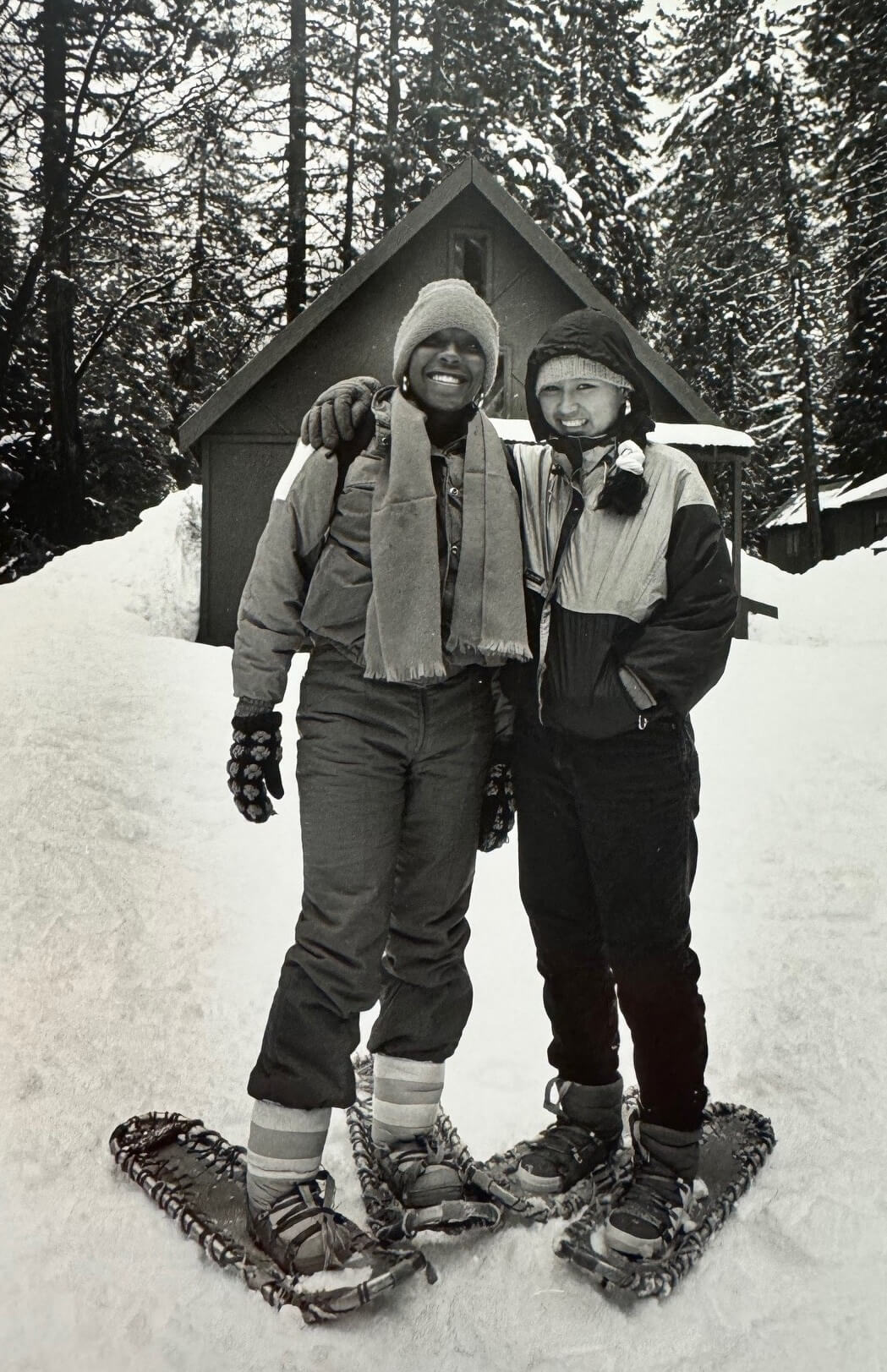
Investing in Youth
Recognizing the continual need for new leadership, the Koshland Youth Fellowship Program was a one-year leadership and development training program for up to 12 youth ages 16 to 19 years old. The program focused on amplifying the strengths of youth with a commitment to providing them with a wide range of options for the future. The goals of the program were to expand the horizon and visions of each fellow by exposing them to many positive experiences that they would not ordinarily encounter. The fellowship also provided the fellows with the necessary skills to achieve their own goals, and to strengthen their leadership skills to become successful leaders in their communities. “Our youth became lawyers, doctors, teachers, and nurses,” said Perkins. “I think to this day, if you ask any one of them, they’ll tell you that summer and that year made a difference in their lives. It was an outstanding program.” Photo: Koshland Youth Fellows on a trip to the mountains. SFF archives.
Youth Fellows: Jabari Anderson, Mark Anderson, Sonya Bridges, Leybi Cali, Gerardo Campos, Hodari Davenport, Antoine Davis, Benita Davis, Kenan Delgado, Denale Drumgo, Toni Dula, Tyler Eison, Nicole Flowers, Marshell Foggy, Kahlil Greer, Brandy Hamilton, Kaleas Johnson, Samantha Knight, Noukoun Lattanaphom, Keith Lau, Allen Lui, Gia Lujan, Kevin Mangelsdorf, Kenneth Miller, Tamekia Mosley, William Newhouse, Cindy Nguyen, Everett Patton, Bryan Patton, Katie Powell, Miles Scott, Sheryl Simmons, Deanna Simms, Tytus Taylor, Demetria Titus, Tamika Titus, Otmar Van Tholl, Richard Vargas, Shawn Walker, Yeulita Wallace, Michale White, Arthur Williams, Angela Williams, Erika Woodson, Cindy Wu, Henry Zhou.
1991-1996 Mission (San Francisco)
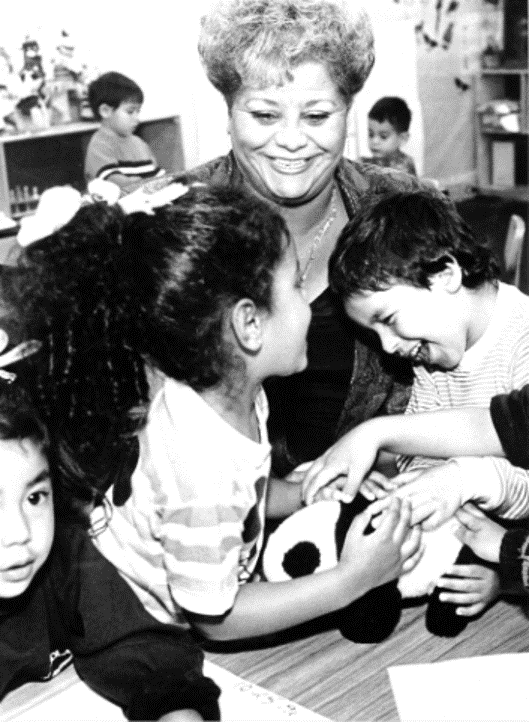
Celebration of Cultures
The Mission District, once primarily Latinx, saw a surge of Southeast Asian immigrants in the late 1970s and 1980s – a result of the Vietnam War and Cambodian genocide. This cultural shift led to challenges, including gang violence. Koshland Fellows launch the “Celebration of Cultures” program to bridge these divides. By supporting youth programs, it offered safe spaces, mentorship, and educational opportunities, helping to combat negative influences and foster a stronger community. Photo of Abby Rodriguez by Kathy Sloane.
Mission Fellows: Ray Balberan, Real Alternatives Program; Esperanza Echavarri, Mission Children & Family Service Center; Martha Estrella, Cesar Chavez School; Johnetta Johnson, Childcare Provider; Abby Rodriguez, Mission Childcare Consortium; Santiago (Sam) Ruiz, Mission Neighborhood Centers; Concha Saucedo, Instituto Familiar De La Raza; Emmanuel Stewart, SF Boys & Girls Club; Collette Sweeney.
1992-1997 Central and North Richmond
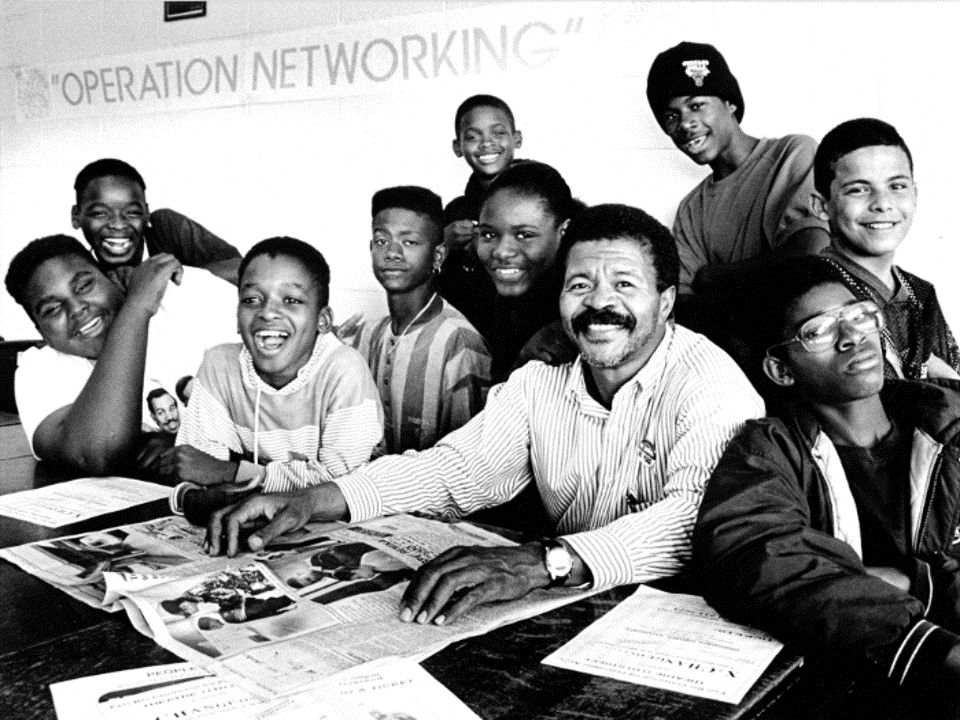
Grassroots Leadership
In the 1990s, Central and North Richmond are plagued by HIV/AIDS, drugs, and violence. The “Grassroots Leadership” program empowers residents to address these issues. Through initiatives focused on environmental justice and community development, the Koshland Fellows establish a needle exchange, unite diverse seniors, and implement various environmental programs. These efforts contribute to improved health, social justice, and a more sustainable community. Photo of Bobby Bowens by Kathy Sloane.
Central and North Richmond Fellows: Bobby Bowens, Opportunity West; Richard Bowley, Our Savior Lutheran Church; Henry Clarke, West County Toxics Coalition; Rev. Sheila Cook, Unity Church of Richmond; Robert Creer, East Bay Perinatal Council; Claudette Garner, Healthy Tomorrows; Arthur “Bubba” Godfrey, Neighborhood House of North Richmond; Taalia Hasan, West Contra Costa Youth Service Bureau; Annette Lerma, Familias Unidas; Jackie Marlbrough, Neighborhood House of North Richmond; C.A. Robertson, Richmond Police Activities League; Choy Saephan, Laotian Education Council; Martha Watson, Center for Human Development; Margery “Miss Pie” Woodward, Community Activist.
1993 Director Elaine Lee
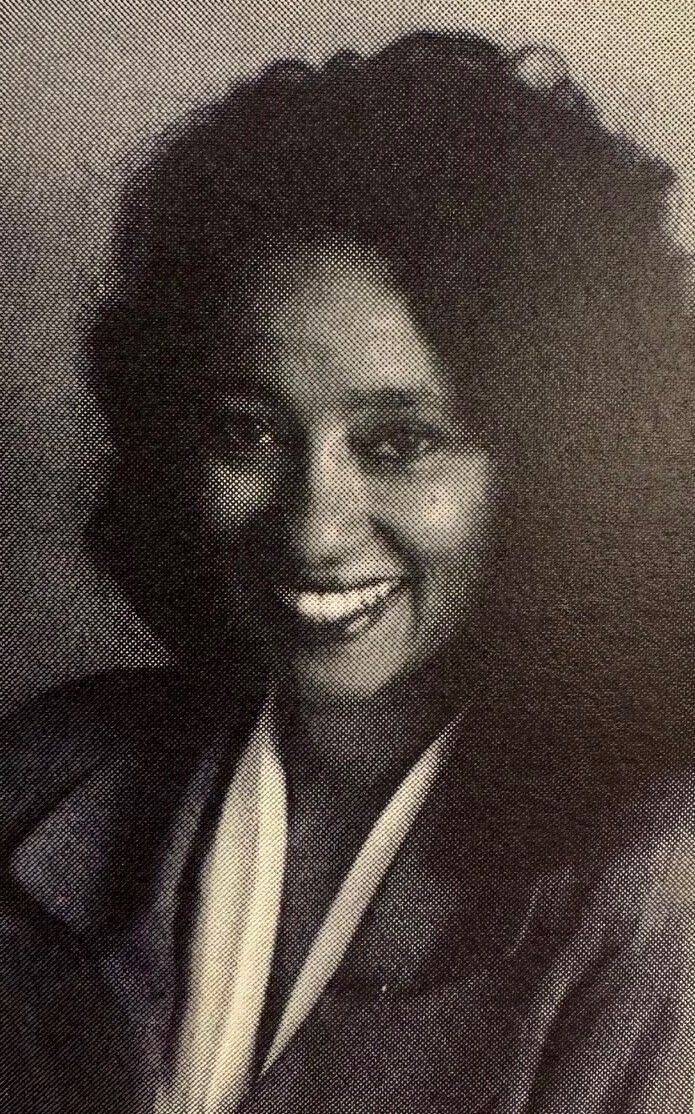
Elaine Lee Strengthens the Program
Continuing Arnold Perkins’ work, Elaine Lee becomes the third director of the Koshland Program. Her experience in law and nonprofit management makes her a strong leader and a source of valuable support for program staff, Fellows, and committee members. During her tenure, the Koshland Program launches its first annual newsletter, helping increase awareness of the program and connect awardees. Photo: SFF archives.
1995-2000 Oceanview-Merced-Ingleside – OMI (San Francisco)
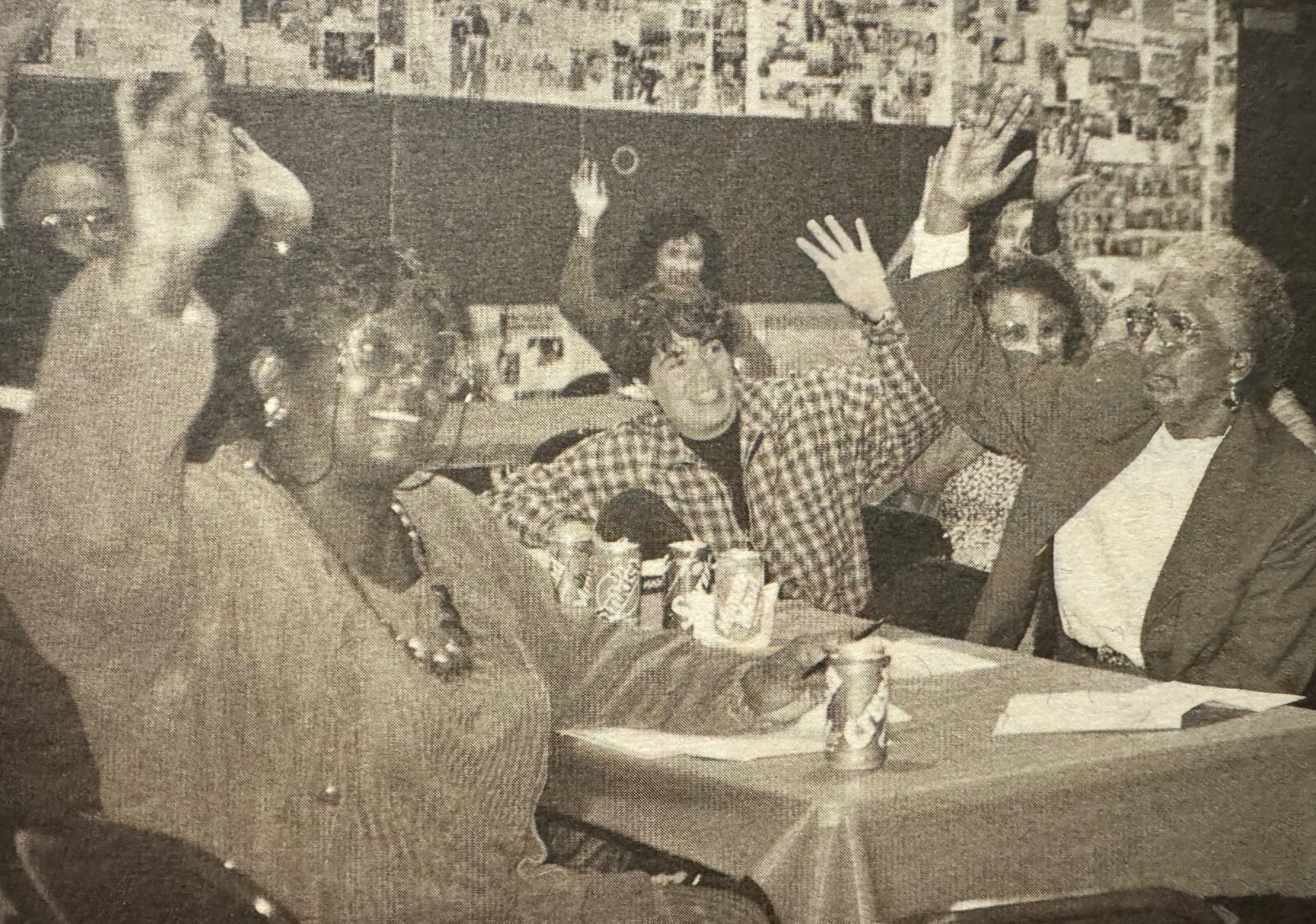
We Stand Up, We Fall Down: Keep Your Eye On OMI
Once a middle-class neighborhood, OMI faces challenges including disenfranchised youth and rising crime. In response, Vision 2000, a collaborative initiative, brings together community organizations to address these issues. Through this effort, the community establishes essential services, fosters engagement, and celebrates cultural diversity, improving the overall quality of life. Photo: OMI residents gather to plan the future of their neighborhood, SFF archives.
Oceanview-Merced-Ingleside Fellows: Richard Rubio Bowley, Multicultural Center for Well Being; Toney Chaplin, SFPD; Larry Chew, OMI Community Association; Audrey Davis, Sheridan Elementary School; Darlene Franklin, OMI Community Association; Gil Gordon, Ingleside Community Center; Marcell & Lenneal Henderson, OMI Neighbors in Action; Doris Machen, Machen Center; Ronald Madson,OMI Neighbors in Action; Jim Mayo, OMI Neighbors in Action; Rev. Richard Miller, Our Savior Lutheran Church; Agnes Morton, OMI Wellness Center; Rev. Roland Gordon, Ingleside Presbyterian Church; Robert Sams, Community Activist; Deborah Sims, Jose Ortega Elementary School; Ahimsa Sumchai, OMI Wellness Center; James Threat, SF Park & Rec. Department; Peter Vaernet, OMI Neighbors in Action; Lovie and Minnie Ward, Community Activists.
1996 Memorandum of Understanding
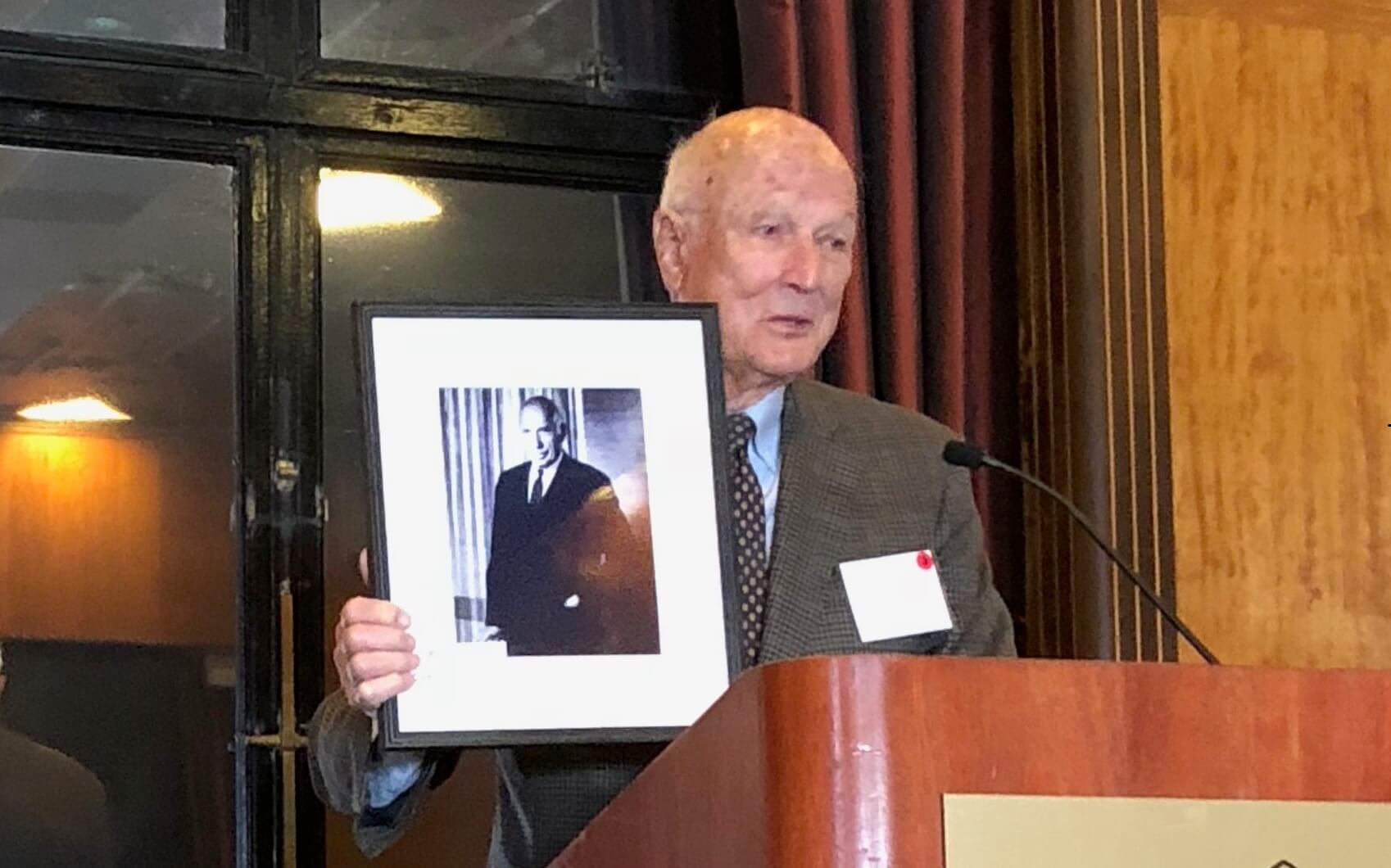
A Promise for the Future
As the Koshland Program evolves and continues to provide valuable community support, Elaine Lee and the Koshland Committee think back to 1986, when the Koshland Program had to be paused due to the loss of the Buck Trust—a very large SFF bequest—and subsequent staff and funding cuts. They work to create a memorandum of understanding (MOU) between the Koshland Committee and SFF’s Board of Trustees, clarifying and defining the relationship between the two and establishing the Koshland Program as an integral part of SFF and a program that will never again be paused. Photo by Ling Woo Liu, SFF archives.
1996- 2001 Chinatown (San Francisco)
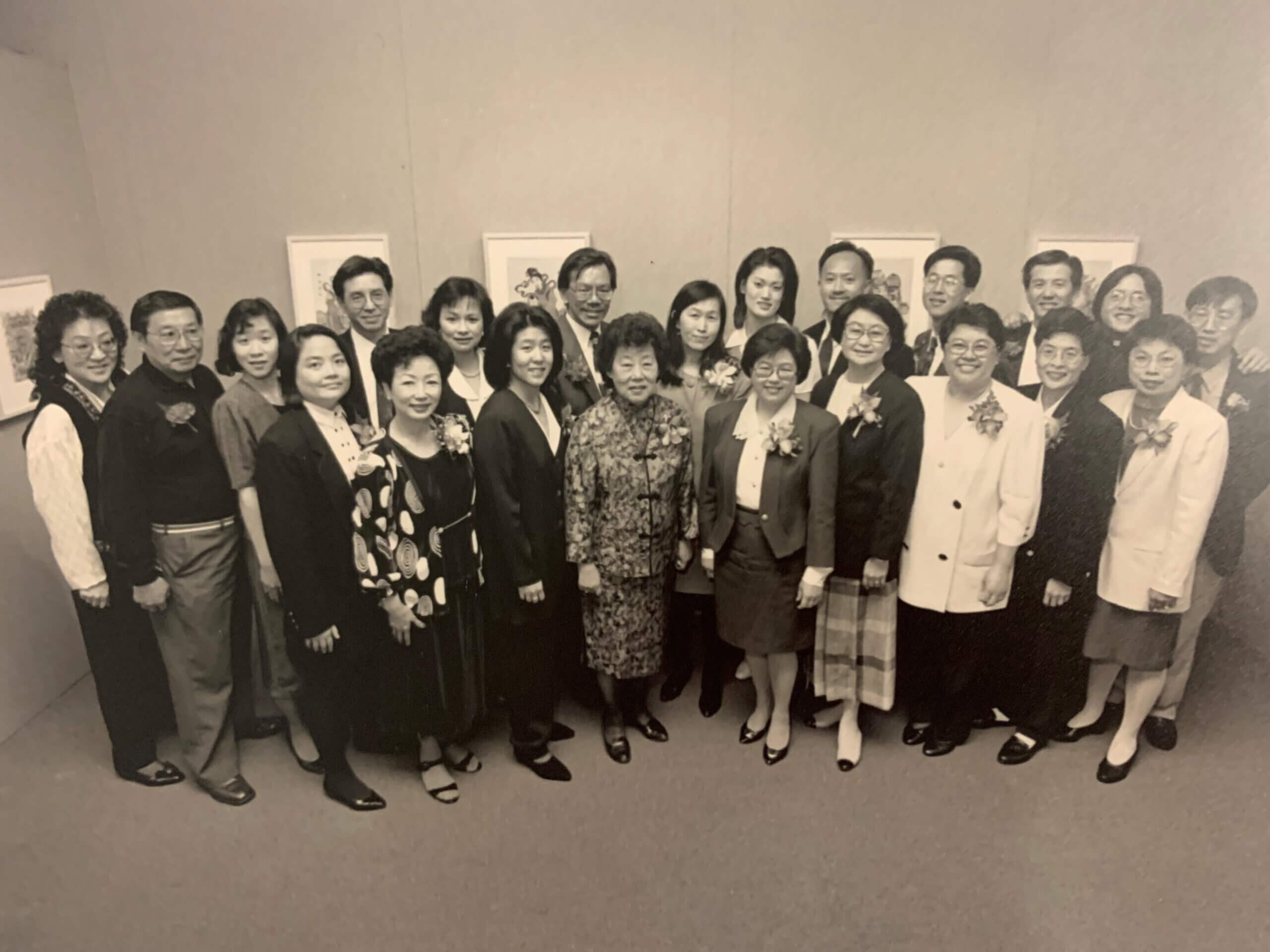
Leaving a Legacy: Coming Together to Get Things Done
Poverty and language barriers are prevalent in Chinatown, a historic San Francisco neighborhood. Through initiatives such as technology training for individuals with disabilities and disaster preparedness resources, the cohort seeks to address these issues by empowering residents and serving the diverse needs of the Chinatown community. Photo: SFF archives.
Chinatown Fellows: Vanessa Chan, Asian Women’s Resource Center; Sai-Ling Chan-Sew, Children’s Mental Health Services; Harry Chuck, Cameron House; Norman Fong, Chinatown Resource Center; Mai Mai Ho, Asian Perinatal Advocates; Mei Hom, Chinatown Y Girls Camp; Gilbert Jue, Chinatown Youth Center; Rosalyn Koo, Friends of the Chinatown Library; Marie Lee, Commodore Stockton Children’s Center; Mamie Lee, St Mary’s Chinese School; Kimiko Leong, Chinatown YMCA; Nancy Yim-Lee, Chinatown Child Developoment Center; Harvey Louie, American Cooks School; Peter Ng, Health Center District Four; Darin Ow-Wing, Community Educational Services; Norman Yee, Wu Yee Children’s Services; Greta Yin, Kai Ming Head Start.
1997-2002 San Antonio (Oakland)
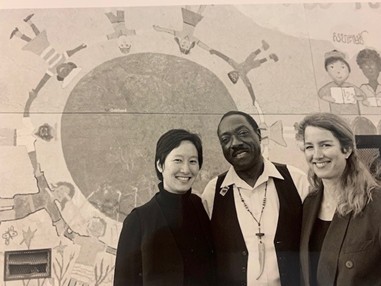
Promoting Solidarity, Uplifting Community Leadership
San Antonio is a diverse neighborhood whose challenges include youth violence and cultural clashes. Koshland Fellows play a significant role in addressing these issues through programs supporting at-risk youth, promoting community leadership, and strengthening local businesses. Their involvement helps create a more resilient and vibrant community. Photo: Helen Shor, David Littlecloud Davenport, Mary Biasotti, SFF archives.
San Antonio Fellows: Father Jeff Acebo, St. Anthony’s Church; Rotynia Adams, Mother’s Against Murder & Assault; Mary Biasotti, Harbor House; John K. Chao, Lao Family Community Development; Don “Littlecloud” Davenport, San Antonio Community Development Corp.; Sonia Del Toro, La Clinica De La Raza; Olive Freeman, Harbor House; John Gruntfest, East Lake Merchants Association; Darren Masayesva, American Indian Child Resource Center; Chandy May, East Bay Asian Youth Center; TyRenae McCowan, San Antonio Park Advisory Council; Les Miller, Intertribal Friendship House; Helen Shor, East Bay Asian Local Dvelopement Corp.; San Sun, East Bay Asian Youth Center.
1998-2003 West Boulevard, El Pueblo, Parkside, and Downtown (Pittsburg)
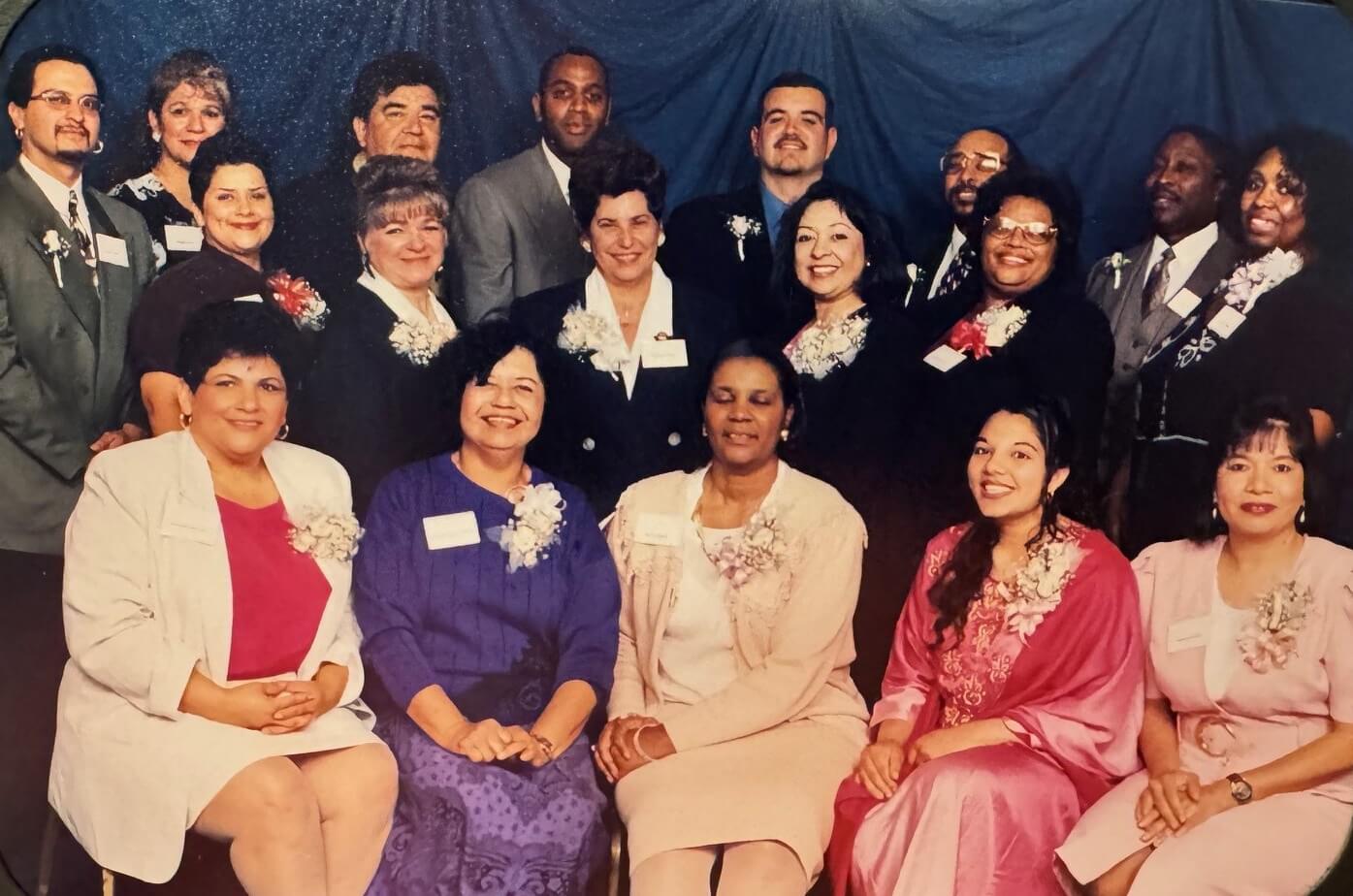
Celebrating Community Diversity
The diverse and growing region of East Contra Costa County faced challenges related to social inequality and cultural preservation. Koshland Fellows’ efforts revitalized the arts and cultural scene. Through the Pittsburg Multicultural Resource Center and various programs, they promoted multicultural relations, supported youth, and provided opportunities for artistic expression. By offering grants, sponsoring events, and supporting mentorship, they empowered individuals and organizations to contribute to the community’s cultural vibrancy and social cohesion. SFF: SFF archives.
West Boulevard, El Pueblo, Parkside and Downtown (Pittsburg) Fellows: Joyce Adams, Keys to Success; Nohemi Beitzel, Latino Family Stress Center; Jeff Bentley, El Pueblo Tenants Council; Jaime Bolanos, Teatro L.O.C.O.S.; Juanita Dailey, Central Jr. High School; Arthur Fernandez, Teatro L.O.C.O.S.; Patricia Firpo, Pittsburg Historical Sociaety; Frances Greene, Pittsburg Preschool Coordinating Council; Raul Herrera, Mentoring Youth at Risk; Paulette Lagana, Community Abatement of Pollution-Industrial Toxins (CAP-IT); James Logan, Delta 2000; Yolanda Marquez, Ujima Family Recovery Services; Guillermo “Bill” Muniz , Restaurateur/Philanthropist; Carmen Aguilar-Ochoa, Give Always to Others; Abigail Perez, Healthy Neighborhood Project; Ruby Raju, Southeast Asian Youth Organization; Dr. Jerry Rice, Dentist; Mary Rocha, Healthy Start Project; Fatima Romera, “Just Ask” Program; Rose Mary Tumbaga, Pacific Community Services, Inc. /Filipino American Organization Dance Troupe.
1999 Director Retha Robinson

Retha Robinson Brings Heart to the Program
Retha Robinson, an SFF staff member since 1980 and a Koshland Program staff member since 1988, becomes director of the program, a role she continues to hold today. With her extensive knowledge, experience, and skill as a community advocate and collaborator, Robinson oversees the program and supports and celebrates the Fellows with wisdom, guidance, commitment, and warmth. She maintains the program’s commitment to Daniel E. Koshland Sr.’s people-focused style of philanthropy and supporting individuals who are working to make the Bay Area a place where everyone can thrive. Photo by Adriana Oyarzun, SFF archives.
1999-2004 Bayshore, Crocker (Daly City)
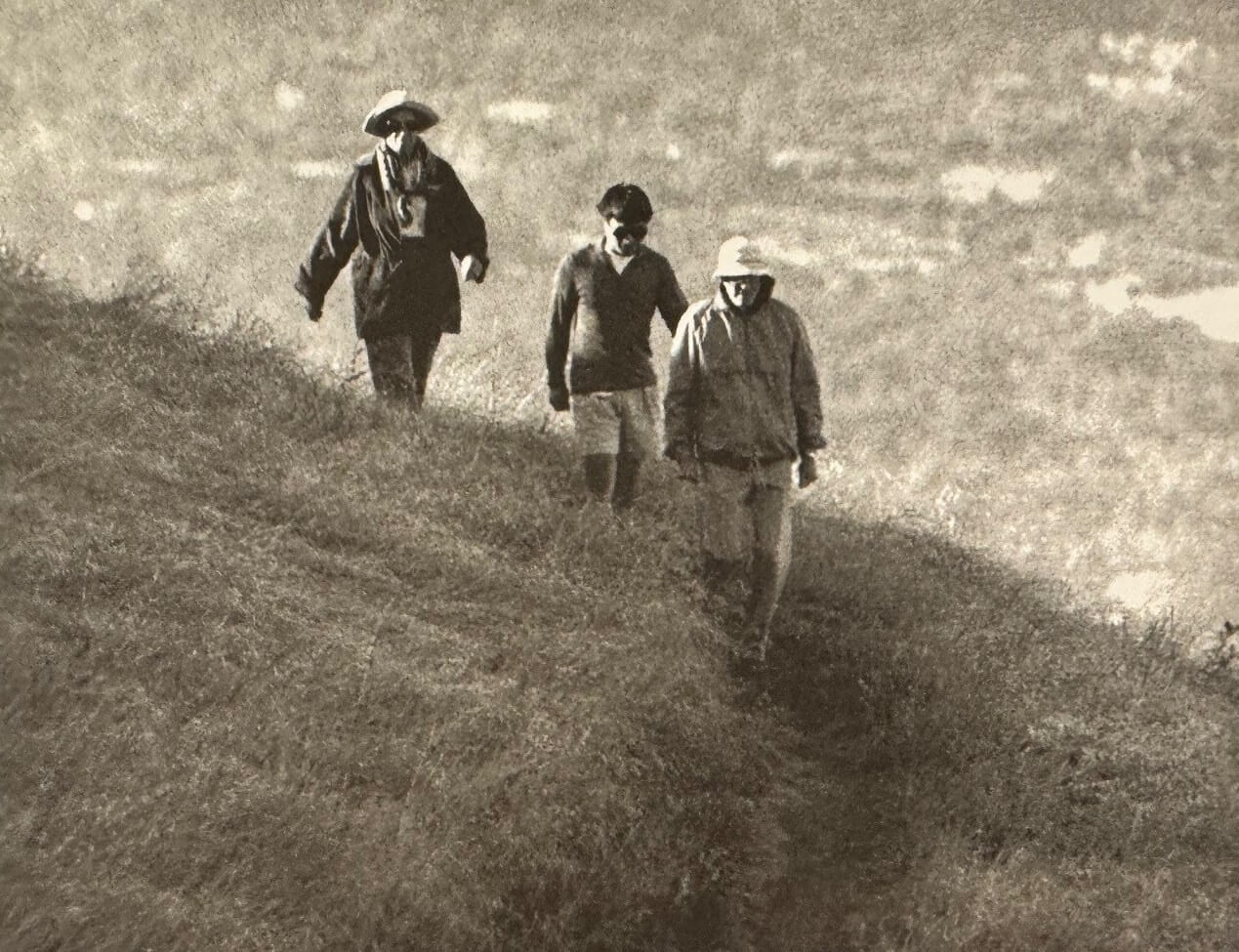
Two Neighborhoods Come Together
Midway Village, a historically marginalized area, faces significant environmental challenges. With support from the Koshland Program, the cohort establishes programs in local community centers, offering resources to seniors, youth, and families. Initiatives focused on music, computers, and neighborhood beautification improve quality of life, preserve cultural heritage, and promote environmental justice. Photo: SFF archives.
Bayshore Fellows: Irma Anderson, Midway AC; Frank & Leah Berlanga, Crocker Association; Lula & Kenneth Bishop, Midway Village; Mamerto C. (MC) Canlas, Pilipino Bayanian Resource Center; Estella Cirillo, Midway VRA; Nancy Flores, Crocker Association; Carol Forest, Daly City Youth Health Center; Joseph Keh, Bayshore Youth Organization; Kermit Leong, Bayshore Youth Organization; Ivy Mok, BFC/Futures Project; Laura & Edward O’Reilly, Crocker Association; Lorali Palma, Crocker Resident Association; John Pleskach, Bayshore Residents Association; Frances Robinson, Crocker Association; Ruben Urbina, Saddleback Bayshore; LaDonna Williams, Midway Village.
2000s
2000-2005 Canal (San Rafael)
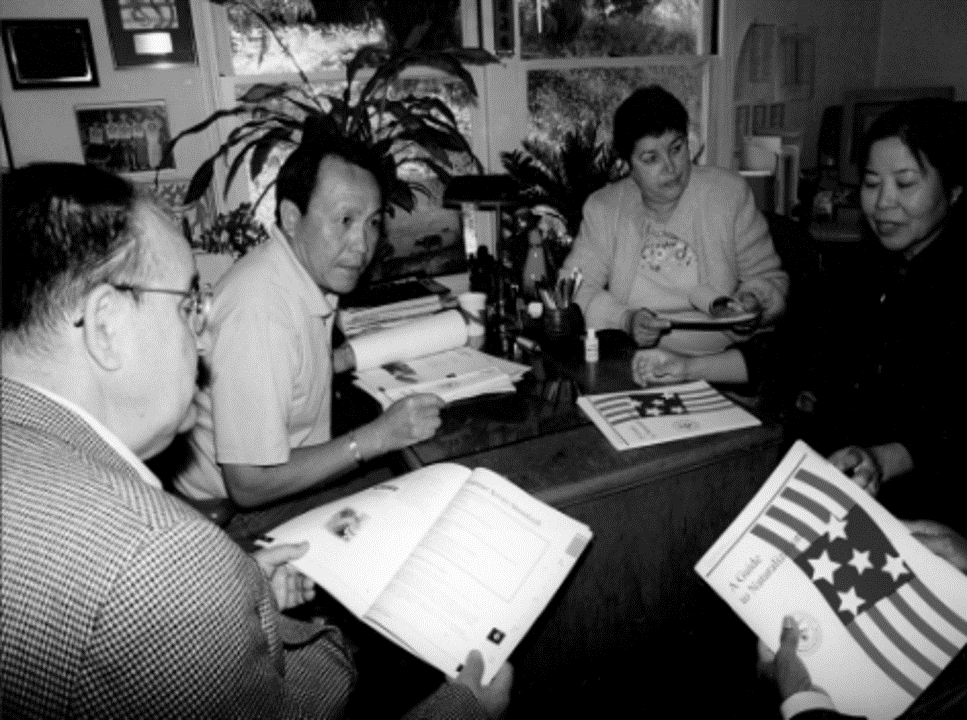
Welcoming Newcomers to the Canal Community
As the Canal neighborhood in San Rafael experiences significant demographic changes, Koshland Fellows play a crucial role in welcoming newcomers and fostering a sense of belonging. Through the Canal Welcome Center—now called the Multicultural Center of Marin—and various programs, Fellows provide essential services and support to immigrants and low-income families, contributing to the social, cultural, economic, and civic well-being of the community. Photo: Canal Fellow Vinh Luu, SFF archives.
Canal Fellows: Marjorie Delgadillo, Huckleberry Teen Clinic; David Donery, Pickleweed Park Community Center; Nancy Ducos, The Marin Institute, Programa Conunitario de Alfabetizacion; Kenny Duran, Huckleberry Teen Clinic; J. David Escobar, Marin County Probation Department; Freddy Escobar, Who’s the Man Program, Canal Community Alliance; Mario (Mark) Flores, Canal Community Alliance, Radio Canal; Troy Harris, Canal Community Alliance, Workshop Leader; Cio Hernandez, Women’s Health Services; Ramon Lopez, “400” Canal Street Building; Vinh Luu, Asian Advocacy Project of Catholic Charities; Man Minh Phan, Vietnamese-American Friendship Society of San Rafael, Canal Community Alliance; Evelina Molina, Un Dia Nuevo; John Ortega, Canal Human and Economic Development Association, Vehicles of Change; Carmen Rios-Ramirez, Women’s Health Services; Jeanette Sotomayor, Canal Ministry, Pickleweed Park Community Center; Nancy Travolacci, Bahia Vista Family Center; John Young Jr., Marin County Grassroots Leadership Network.
2001-2006 South of Market (San Francisco)
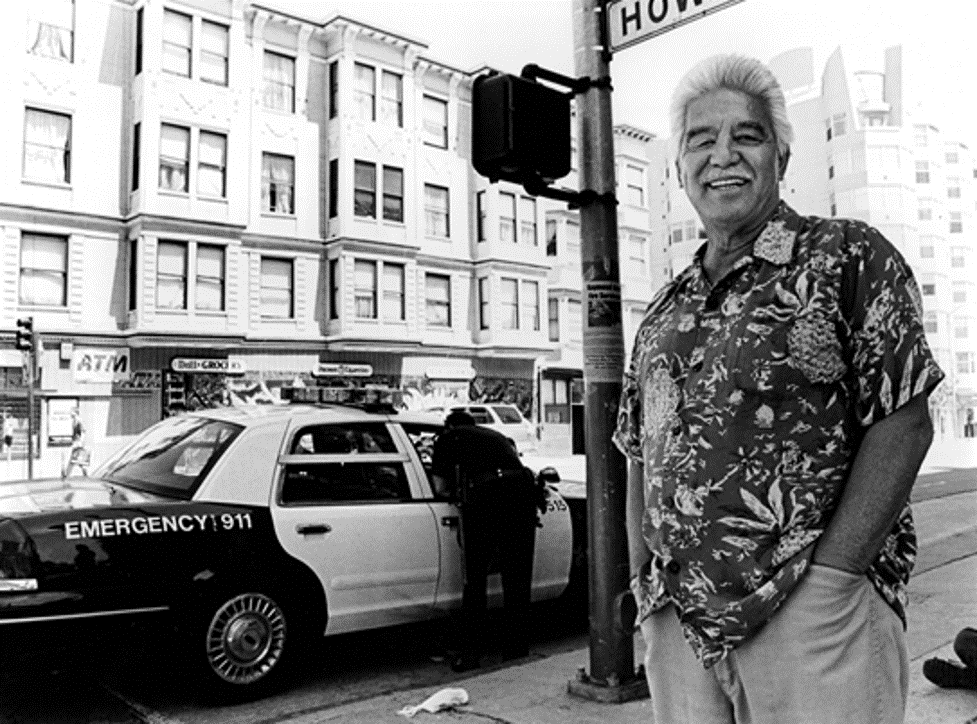
Residents Unite
San Francisco’s South of Market, or SoMa, neighborhood is home to a vibrant Filipino community threatened by gentrification. Through initiatives like the Resident Organizing and Leadership Program, Koshland Fellows nurture residents as activists, provide resources, and create a platform for community-building. Additionally, they contribute to the growth of SOMCAM, support the annual SoMA Fest, and create “The Southside” newsletter to disseminate information and preserve the neighborhood’s cultural heritage. Photo of Bill Sorro by Kathy Sloane.
South of Market Fellows: Craig Adelman, Tenderloin Neighborhood Development Corp.; Luisa Antonio, Veterans Equity Center; Mary Aylward, Mercy Housing California; Judith Baker, South of Market Child Care, Inc.; Jeanne Batallones, Filipinos for Affirmative Action; Shirley Bierly, Senior Power; Bernadette Borja, Filipin American Development Foundation; Judy Carman, Community Advocate; Jack Davis, SomArts; Patrice Johnson, South of Market Child Care, Inc.; Mary McCue, Yerba Buena Gardens; Ly Nguyen, Oasis, Serving Our Youth and Community; Karen Nolan, South of Market Project Area Committee; Bill Sorro, Mission Housing Development Center; Antoinetta Stadlman, Independent Contractor; Teresa Vergel, Tenants and Owners Development Corp.; Bobbie Washington, Bessie Carmichael Elementary School; Jill Weinberg, Oasis.
2002-2007 West Alameda
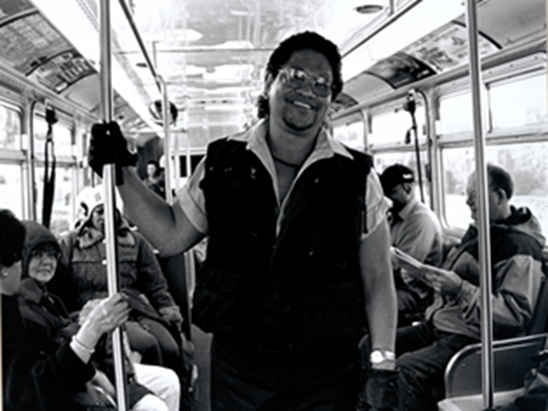
Fight the Power
Gentrification and displacement threaten West Alameda, a historically diverse working-class neighborhood, in the early 2000s. Through initiatives like the Share the Wealth Program, Koshland Fellows support local organizations, foster community engagement, and advocate for the neighborhood’s needs. Their efforts contribute to the establishment of Ruby Bridges Elementary School, a significant milestone in West Alameda’s revitalization. Photo of Lester Dixon by Kathy Sloane.
West Alameda Fellows: Tamara Centeno, Even Start Program; Beatriz Cortez, Longfellow Elementary School; Lester Louis Dixon, AC Transit; Dr. Subhan Hatifie, Afghan Cultural Society; Rebecca Holder, Golden Gate Audubon Society; Phil Holt, Alameda Emergency Food Bank; Amanda Kruger, HOME; Vickie Smith, Coalition of Alamedans for Racial Equity; Nielsen Tam, Miller Elementary School; Rev. Michael Yoshii, Buena Vista United Methodist Church.
2003-2008 Monument Corridor (Concord)
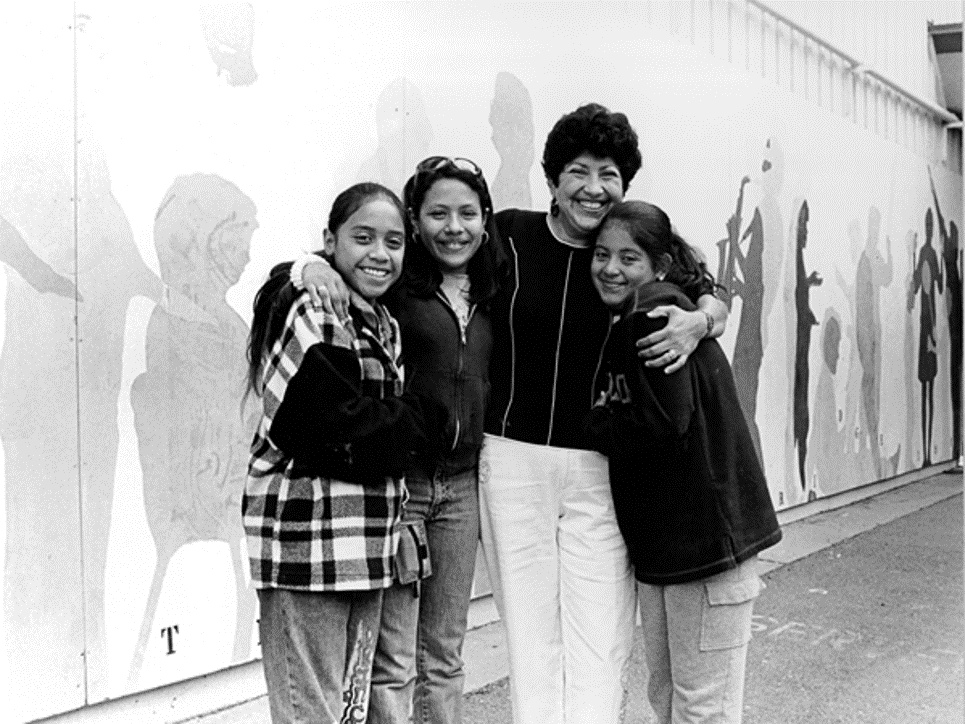
Preparing Youth for the Future
“Go Get It” (GGI), an afterschool program in Monument Corridor, Concord, provides academic support and mentorship to youth and their families. It offers college prep, community service, and emergency assistance. GGI also supports families through eviction prevention, immigration assistance, medication purchases, and burial cost coverage. Additionally, it serves seniors, establishes a youth soccer league, and develops leadership for local community groups. Photo of Luz E. Sierra by Kathy Sloane.
Monument Corridor Fellows: Benjamin Contreras, Liga Latina; Raquel Diaz, Monument Community Partnership; Diane Kennedy, Outreach Worker; Mary Lou Laubscher, Monument Community Partnership; Virginia Lizarraga, Catholic Charities; Ed Nienow, Harvest House; Ashok S. Patwardhan, Foundation for Understanding and Enhancement; Maria Reyes, Jovenes Unidos a Cristo; Carmen Elena Rodas, Meadow Homes neighborhood action team; Rosalia Salcedo, Oak Grove neighborhood action team; Luz E. Sierra, Cambridge neighborhood action team; Richard Tautuaa, Tongan community center.
2004-2009 Iron Triangle (Richmond)
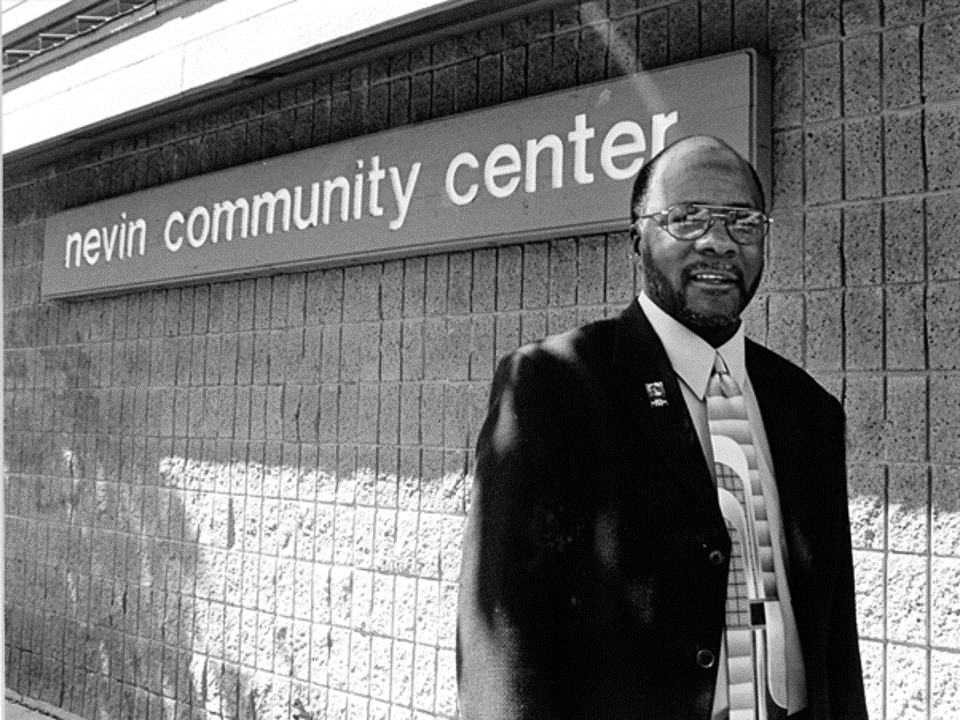
Preserving Cultural Heritage
The Iron Triangle Legacy Neighborhood Project, created by Koshland Fellows, documented and shared family migrations to Richmond, CA. Historically a shipbuilding and manufacturing center, the Iron Triangle faced challenges like gang violence and poverty. Organizations like Rubicon Programs Inc. provided affordable housing, employment, and other supportive services, contributing to the community’s resilience. Photo of Andre Shumake by Kathy Sloane.
Iron Triangle Fellows: Rosa Acosta, West County Toxics Coalition; Faith Chege, Contra Costa County Homeless Youth Continuum Program; Fredrick Franklin, Iron Triangle Neighborhood Collaborative; Sharon Fuller, Ma’at Youth Academy; Susana Garcia, Casa De Esperanza; Arthur Godfrey, Outreach Worker; Michael Henderson, Nevin Community Center; Father Jesus Nieto-Ruiz, St Anthony’s Parish; C.A. Robertson, Richmond Police Activities League; Sang Saephan, United Laotian Community Development; Rev. Andre Shumake, Richmond Improvement Association; Jordan Simmons, East Bay Center for the Performing Arts; John Spradlin, La Perla Mexican Deli; Maryella Warner, Elder Abuse Prevention.
2006-2011 Bayview (San Francisco)
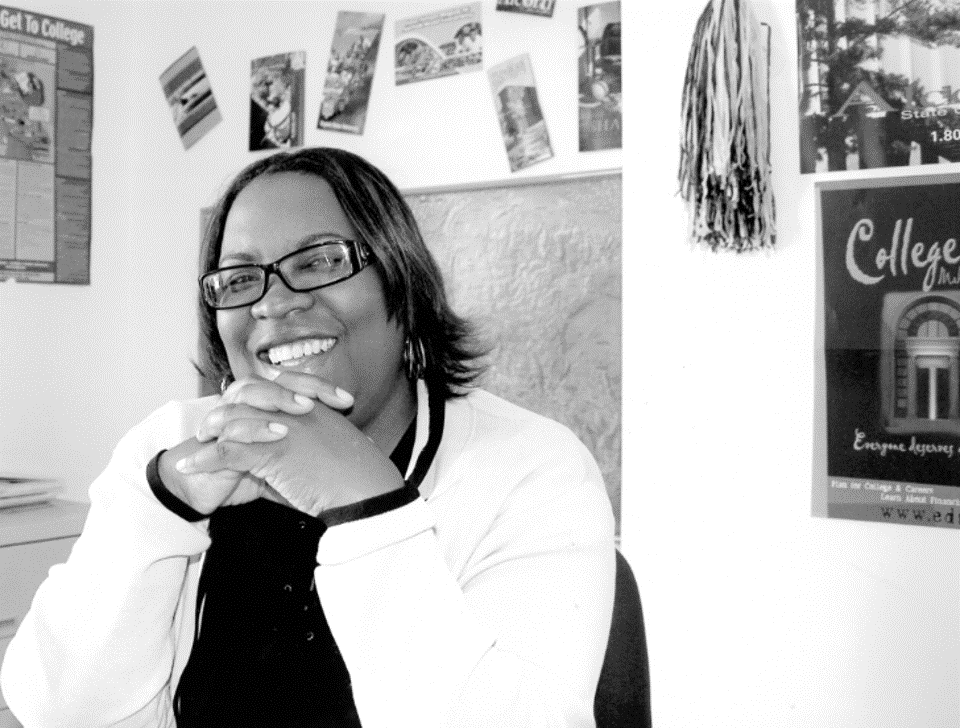
Inspiring Hope and Beautification of Community
Poverty and crime are among the issues facing the Bayview District, a neighborhood long plagued by systemic racism, industrial pollution, and economic exclusion. Through initiatives focused on beautification, arts, and culture, the cohort implements projects like the Bayview Opera House mural and Old Skool Café. These efforts improve the neighborhood’s appearance, create cultural opportunities, and strengthen community bonds. Additionally, the cohort’s work leverages significant funding for new resources like a library. Photo of Diane Gray by Kathy Sloane.
Bayview Fellows: Jackie Cohen, 100% College Prep Institute; Barbara S. Glaspie, Visitation Valley Community Resiliency Project; Teresa Goines, Old Skool Café; Diane Gray, 100% College Prep Institute; Misha Olivas, United Playaz; Virgie Patterson-Newman, Reachout for the Rainbow After School; Saniko Togafau, United Playaz; Lydia Vincent-White, Providence Baptist church.
2007-2012 West Berkeley
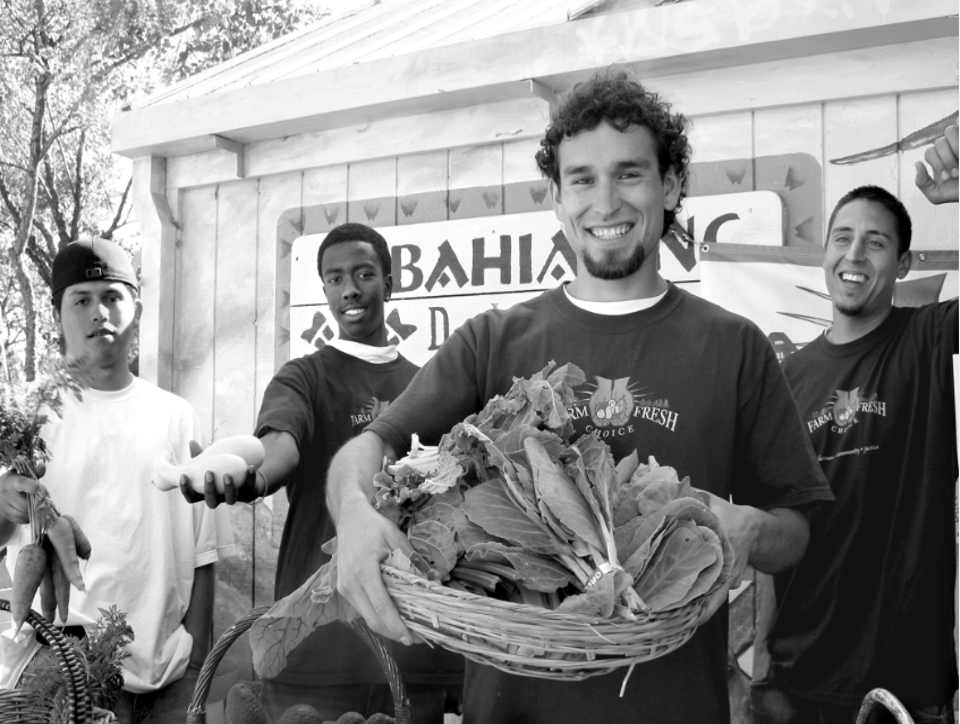
Youth Navigate Inequities
West Berkeley, a historically diverse working-class neighborhood, faced challenges like economic inequality and educational disparities. The “Youth Navigate Inequities” program empowered young people of color from low-income families. Through collective leadership, service, and a community website, the cohort successfully launched the REALM Charter School, providing educational opportunities for underserved students. By addressing systemic inequities, the cohort helped improve the prospects of young people in West Berkeley and contributed to a more equitable and just community. Photo of Gerardo Marin by Kathy Sloane.
West Berkeley Fellows: Matt Crocker, Youth Minister; Victor Q. Diaz, Principal B. Tech; David Manson, Berkeley Boosters; Gerardo Marin, Farm Fresh Choice; Michael McBride, The Way Christian Center; Belen Pulido Martinez, BOCA; Lamont Snaer, Rosa Parks Elementary School; Ana Traylor Jackson, West Berkeley Foundation.
2008-2013 Ashland/Cherryland (Unincorporated Alameda County)
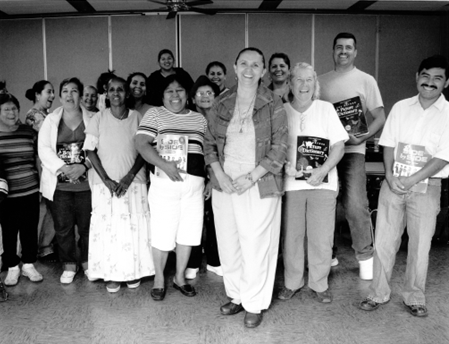
Secured Land: Dig Deep Farms
Koshland Fellows in the unincorporated communities of Ashland and Cherryland funds Dig Deep Farms & Produce to create a vibrant, sustainable local food economy that grows jobs around healthy food, bringing fresh, healthy, affordable, organic produce grown close to home by urban farmers to low-income residents living in Alameda County. Photo of Amparo Ramos by Kathy Sloane.
Ashland/Cherryland Fellows: Shanale Allen, Alameda County Dept. of Human Services; Rafael Avendano, Hillside Elementary Boys & Girls Club; Hilary Bass, Alameda County Sheriff’s Office; Susan Beck, Cherryland Community Association; Christen Gray, Team Up for Youth Director; Maria Haro, Cherryland Elementary School; Joann Irons, Ashland Community Center; Alfonso Macedo, New Hope Christian Fellowship; Amparo Ramos, San Lorenzo Unified School District.
2009-2014 North Fair Oaks (Unincorporated Redwood City)
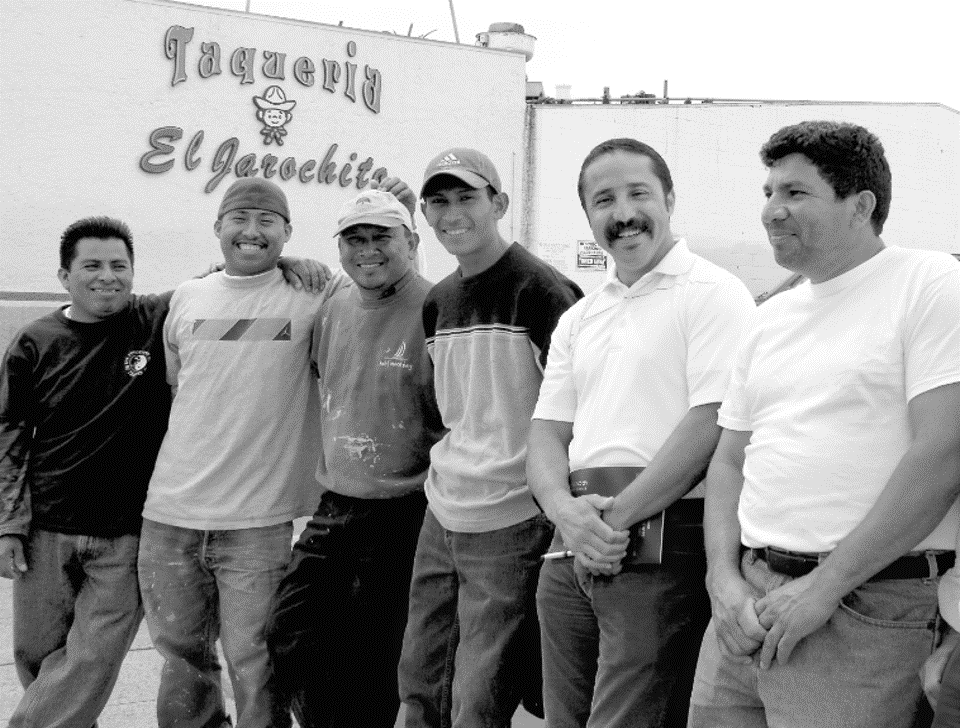
Ensuring A Bright Future for the Next Generation
Koshland Fellows start the North Fair Oaks Youth Initiative (NFOYI), a youth leadership program for 14- to 22-year-olds in North Fair Oaks, in unincorporated Redwood City. Their programs build new leadership opportunities where youth gain the skills and networks to be community leaders and role models for their peers and the entire community. Photo of Cesar Meza Esveile by Kathy Sloane.
North Fair Oaks Fellows: Vicky Avila-Medrano, Vision y Compromiso; Noel Chavez, Migrant Program; Teri Chin, City of Redwood City/Fair Oaks Community Center; Lydia Cordoza, San Mateo County Sheriffs Office; Lorena Gonzales, County of San Mateo; Sister Christina Heltsley, St. Francis Center; Mary Hofstedt, John W. Gardner Center; Priscilla Jimenez-Pelaez, Fair Oaks School; Salvador Mejia, Community Alliance to Revitalize our Neighborhood (CARON); Cesar Meza-Esveile, North Fair Oaks, Multicultural Institute; Lucia Molina, Garfield School; Silvia Ramirez-Rosales, Peninsula Interfaith Action; Angelica Rodriguez, Community Health Worker.
2010s
2010-2015 San Pablo (Contra Costa)
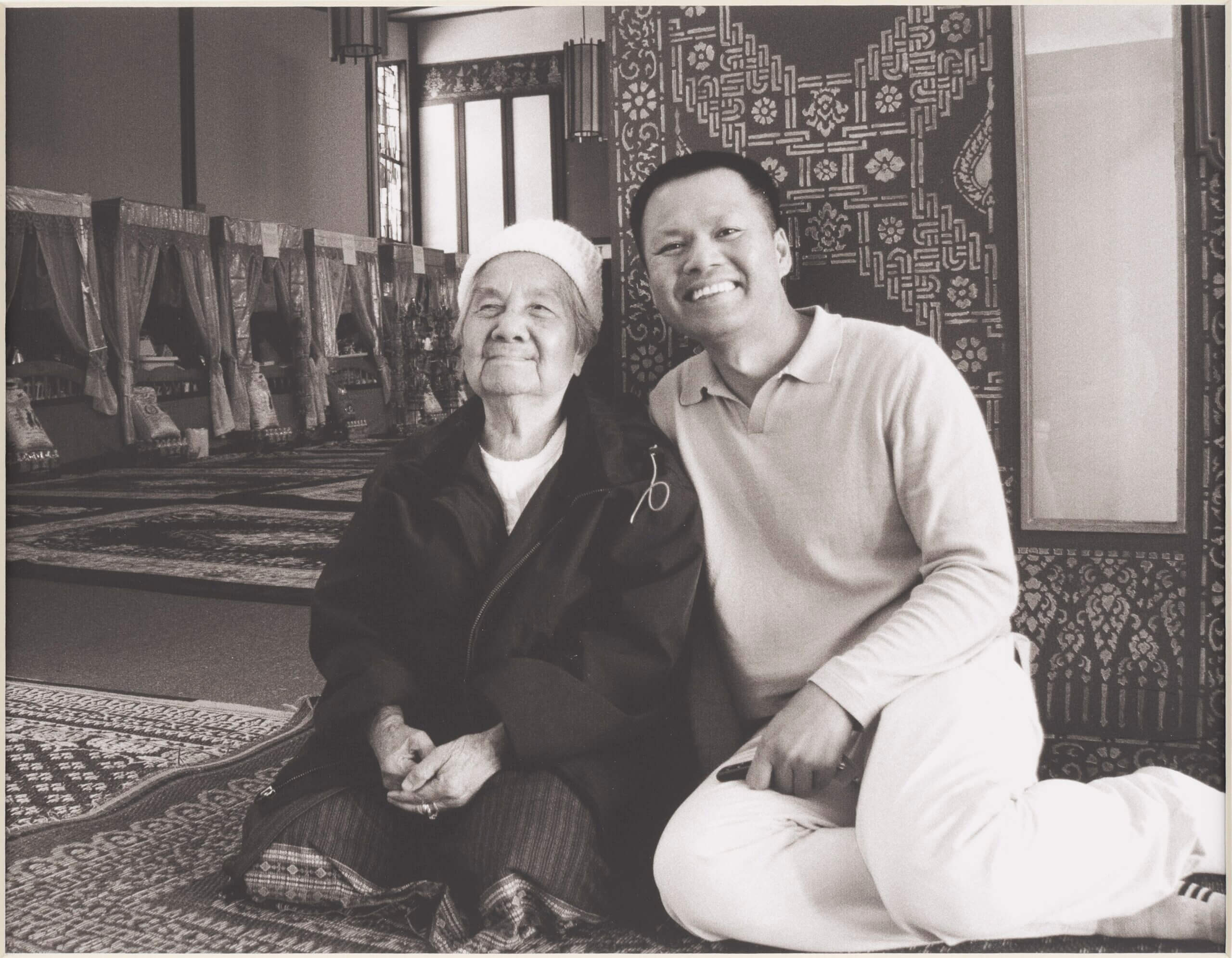
Connecting Youth and Their Families
San Pablo, a diverse working-class city, faced economic challenges due to the closure of manufacturing plants. The “Request for Proposal” process supported local organizations serving parents, youth, and families. Through this initiative, the cohort funded programs that addressed the community’s specific needs, providing essential resources and support to individuals and families. By fostering collaboration and addressing the needs of vulnerable populations, the cohort contributed to the resilience and vitality of the San Pablo community. Photo of Khammany Mathavonsgy by Kathy Sloane.
San Pablo Fellows: Humberto Alvarez, San Pablo Police Dept.; Joseph Camacho, Their Angels; Gladys Garza, Brookside Community Health Center; LaZena Jones, Walter T. Helms Middle School; Khammany Mathavongsy, Center for Laos Studies; Mayra Padilla, Metas Program/HSI Stem; Lisa Raffel, Catholic Charities of the East Bay; Maria Resendiz, Bay Area Community Resources; Alexina Rojas, West County First 5 Center; Gonzalo Rucobo, Bay Area Peacekeepers Inc; Meuy (May) Yong Saephan, Lao Family Community Development Inc.; James Solis, Studio Solis Martial Arts; Nancy Thome, City of San Pablo, Youth Services; Robert Turner, 21st Century Mentors Foundation; Norma Valdez-Jimenez, Puente Project.
2011-2016 Excelsior (San Francisco)
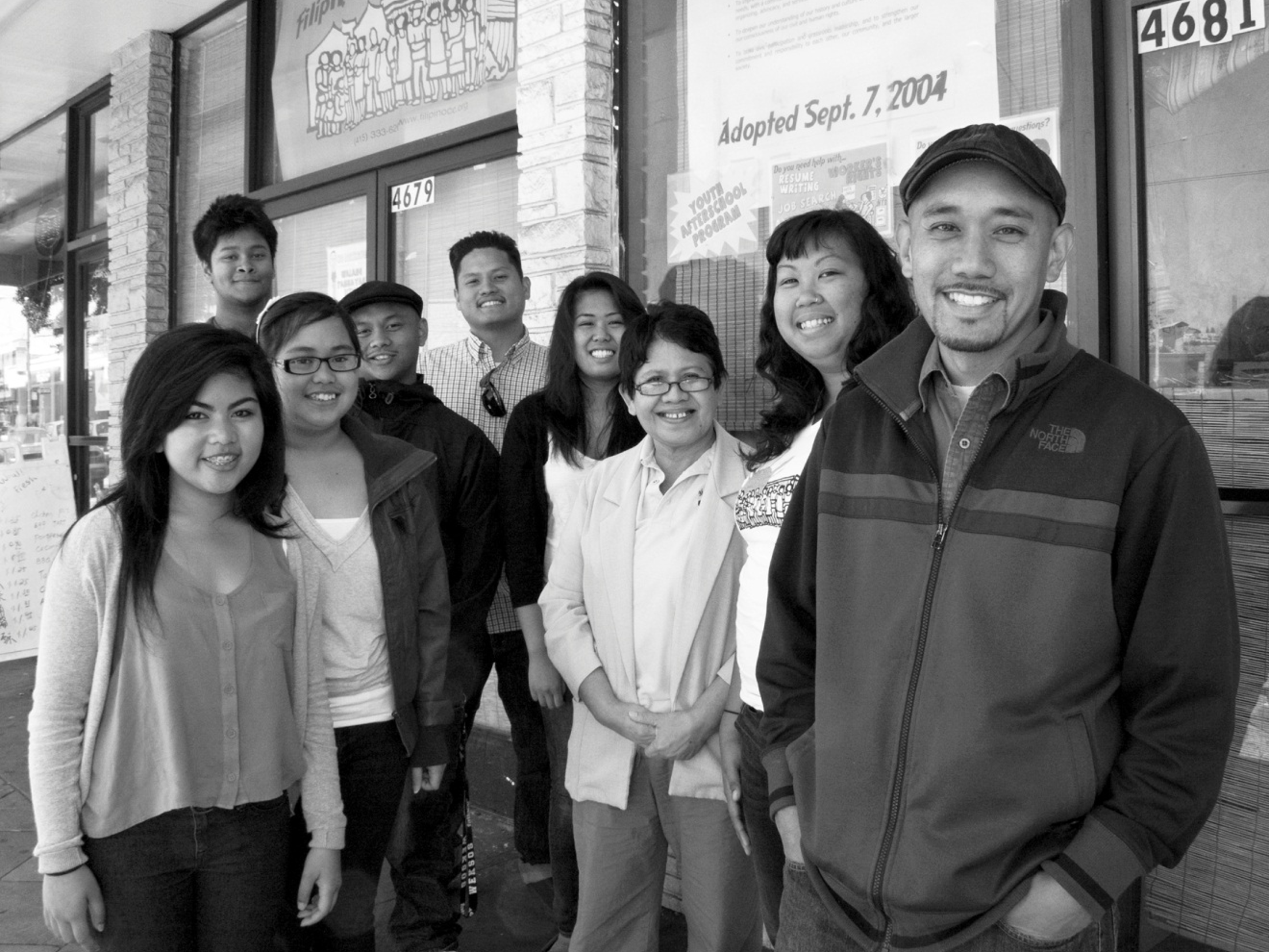
Equitable Opportunities
The “Equitable Opportunities” program seeks to address issues such as economic inequality and changing demographics in the Excelsior neighborhood, a historically working-class San Francisco neighborhood. Through Excelsior Works!, the program provides educational and career opportunities for young people, helping to prepare them for success and improve the overall well-being of the Excelsior community. Photo of Terrance Valen by Kathy Sloane.
Excelsior Fellows: Paulo Acosta Cabezas, Mama Art Café; Nicole Agbayani, Excelsior Action Group; Jacqueline Chavez, SF District 2 PTA/SFUSD; Joni Tam Chu, Urban Services YMCA-OMI/Excelsior Beacon Center; Rachel Ebora, Bernal Heights Neighborhood Center; Carlton Eichelberger, Boys & Girls Club of SF; Tiffani Johnson, H20 Productions; Rene Luna, Bay Area Scores; Beth Rubenstein, Out of Site Youth Arts Center; Charlie Sciammas, PODER (People Organizing to Demand Environmental& Economic Rights); Alex Tom, Chinese Progressive Association; Terrence “Terry” Valen, Filipino Community Center.
2013-2018 Bay Point (Contra Costa)
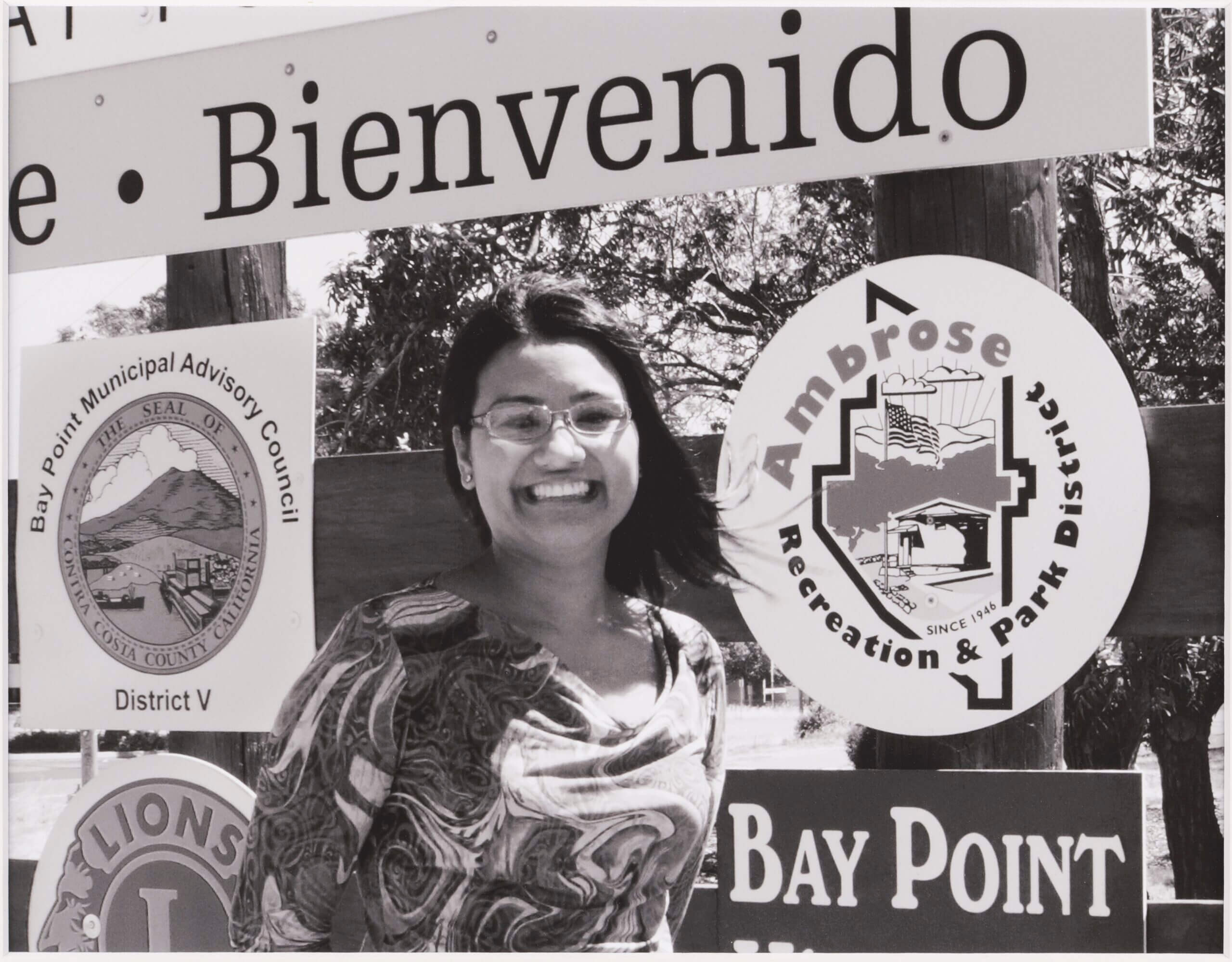
Promoting Youth Leadership
Koshland Fellows establish the Bay Point Youth Academy to address economic inequality and crime in Bay Point, a diverse working-class community. Through the Academy, they provide educational opportunities, mentorship, and leadership development programs for young people. By offering extracurricular activities and partnering with community organizations, schools, and the Sheriff’s Department, the Academy helps bridge the opportunity gap, empower youth, and create pathways for educational and career advancement. Photo of Paola Lara by Kathy Sloane.
Bay Point Fellows: Lynsie Shatswell Castellano, Riverview Middle School, Mount Diablo Unified School District; Cynthia Garrett, African American Wellness Program/Center For Human Development; Adriana Gomez, ThinK Now; Trina Hudson, Bay Point Municipal Advisory Council; Paola Lara, Opportunity Junction; Deborah Roberts, First A.M.E. Community Church; Rande Ross, Ambrose Recreation & Park District; Jackie Santamaria, Center For Human Development; Jovana Vasquez, Alliance of Californians for Community Empowerment (ACCE).
2014-2019 Jackson Triangle and Harder-Tennyson (South Hayward)*
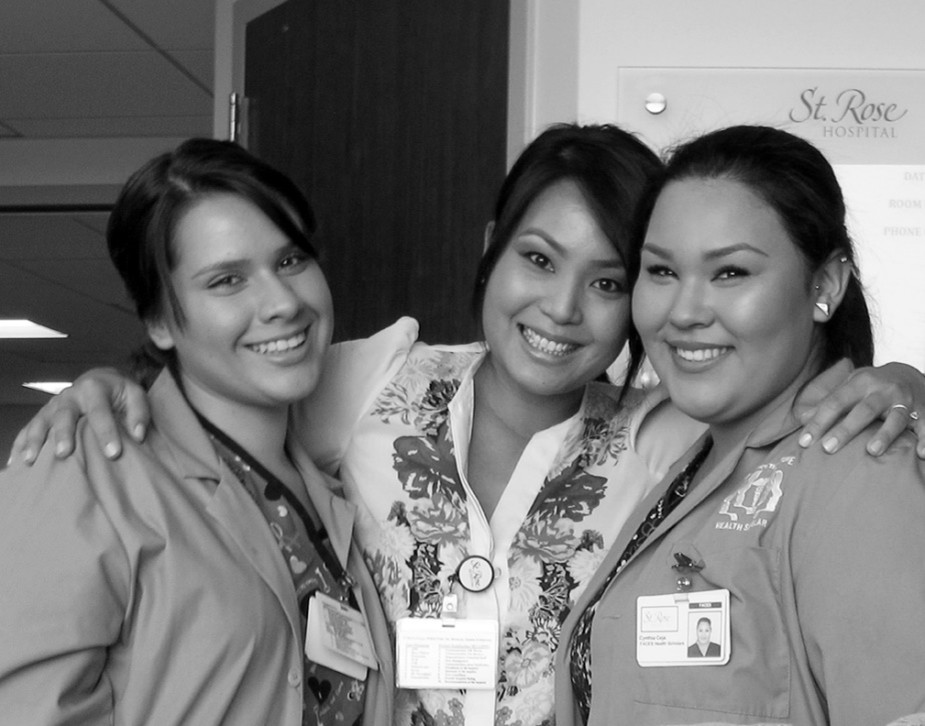
Career Success and Upward Mobility
Jackson Triangle and Harder-Tennyson, diverse working-class neighborhoods in South Hayward, face economic challenges. The cohort focuses on career success and upward mobility. Through initiatives like the Community Scholarships JTHT Scholarship Fund, Koshland Fellows provide educational opportunities and support to local students, contributing to the overall well-being of the communities and empowering residents. Photo of Jasmine Nakagawa-Wong by Kathy Sloane.
South Hayward Fellows: Sonnye Brotherton, School Site Council, Harder Elementary School; Emily Chow, Hayward Promise Neighbohood, California State University, East Bay; Luis Covarrubias, Hayward Unified School District; Carla Dardon, Hayward Day Labor Center; Jason Enrique Arenas, Alameda County Office of Education; Patricia Garcia, Cafe Program, Tiburcio Vasquez Health Center Inc.; Gabriel Hernandez, Hayward Day Labor Center; Teresa Johnson, Hayward Unified School District; Sandra Morales, Eldridge Elementary School; Jasmine Nakagawa-Wong, FACES for the Future, St. Rose Hospital; Sandra Navarro, Tennyson High School; Denize Sanchez, La Familia Counseling Service.
2017-2022 Mission (San Francisco)
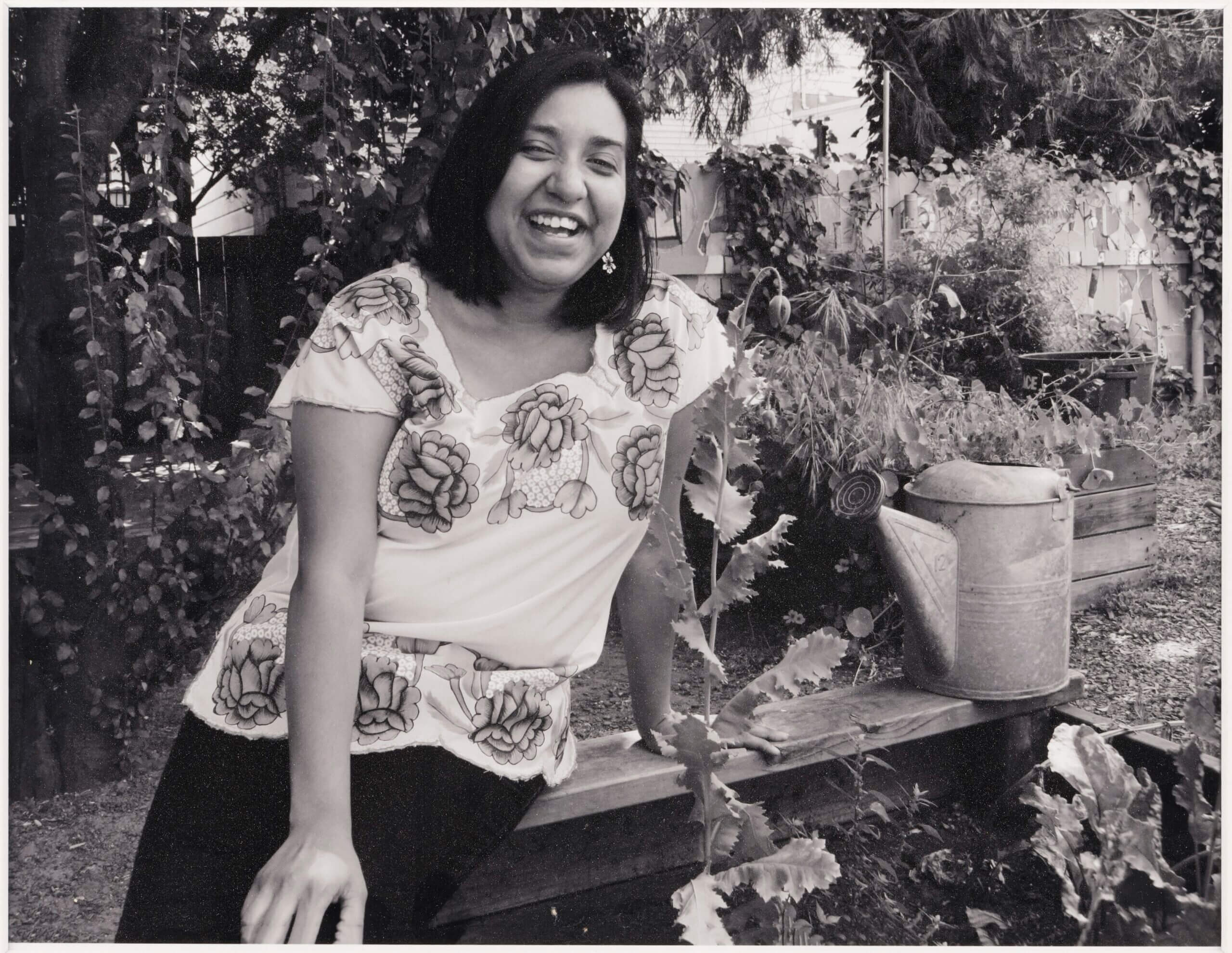
We The People – Community-Led Power, Collective Resiliency
Koshland Fellows create the Mission Community Power Institute to address challenges in the Mission District, a historically Latino San Francisco neighborhood, such as rising housing costs and displacement. Through tenant workshops, promotora outreach training, and education on rights and protections, the Institute empowers residents and strengthens the community’s resilience against displacement and gentrification. By advocating for affordable housing and community-led power, the cohort contributes to preserving the Mission’s cultural heritage and ensuring a more equitable future. Photo of Sandra Sandoval by Kathy Sloane.
Mission Fellows: Chirag Bhakta, Mission Housing; Nadia Conrad Bick, Jamestown Community Center; Eric Cuentos, Mission Graduates; Marilyn Duran, PODER (People Organizing to Demand Environmental & Economic Rights); Marisela Esparza, San Francisco Immigrant Legal & Education Network; Lara Kiswani, Arab Resource & Organizing Center; Celina Lucero, Horizons; Diana Martinez, Dolores Street Community Services; Lorena Melgarejo, Archdiocese of SF; Dairo Romero, Mission Economic Development Agency; Sandra Sandoval, Lifelong Missionera.
2019-2024 Canal (Marin)
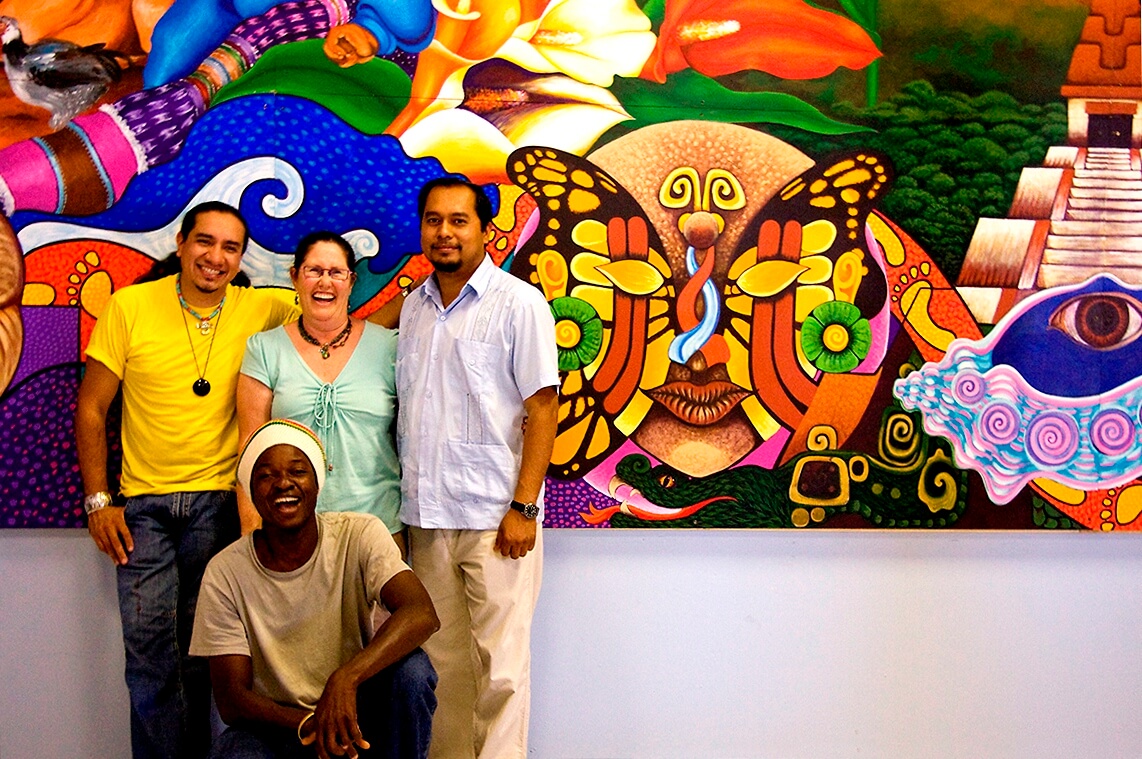
Amplifying Community Leader Voices
Amid significant demographic changes in the Canal neighborhood in San Rafael, the cohort focuses on amplifying the voices of community leaders and empowering residents to take action on issues affecting their neighborhood. Through a two-year pilot program, Koshland Fellows offer leadership training and workshops, equipping residents with the skills and knowledge to engage in community campaigns and initiatives. By focusing on intergenerational experiences and incorporating technology, environmental justice, arts, and community service projects, the cohort helps to build power within the Canal community and create a more equitable and sustainable neighborhood. Photo: Douglas Mundo (far right) of the Canal Welcome Center, SFF archives.
Canal participating organizations and staff advisors: Maite Duran, Alcohol Justice; Balandra Fregoso, Parent Services Project; Douglas Mundo, Multicultural Center of Marin; Wendy Pacheco, Youth Leadership Institute; Samantha Ramirez, Youth Leadership Institute.
2020s
2022-2027 North Central (San Mateo)
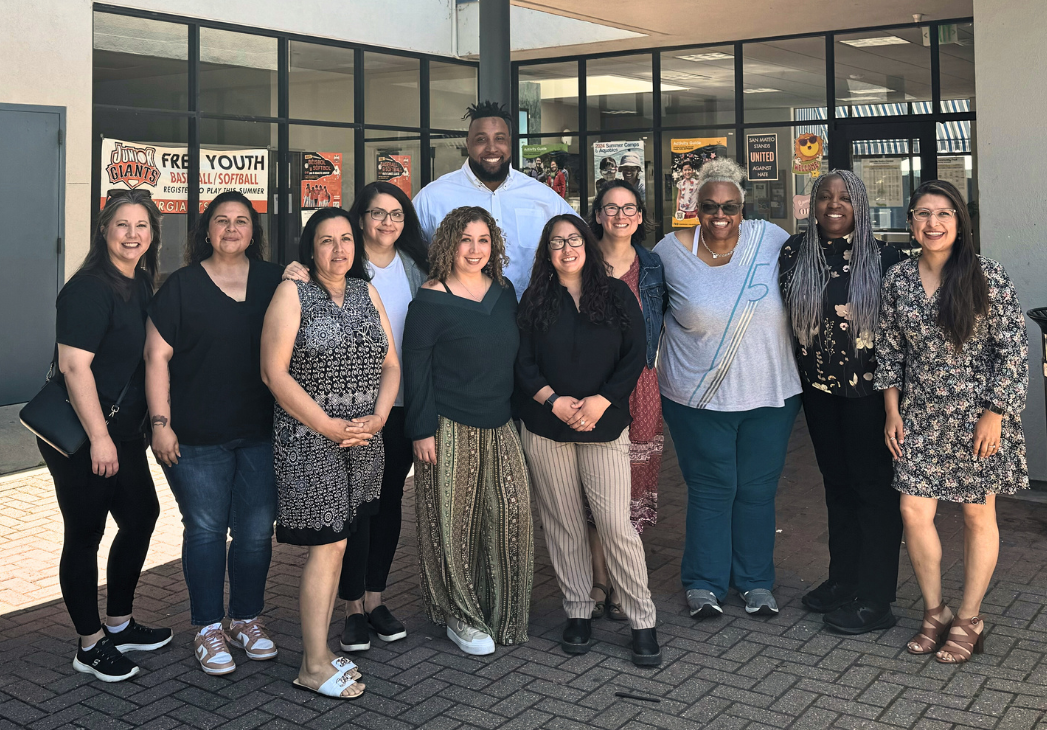
Revitalizing the King Center: A Neighborhood Anchor Organization
North Central San Mateo, a historically diverse working-class neighborhood, faced challenges like economic inequality and changing demographics. The cohort focuses on revitalizing the Dr. Martin Luther King Jr. Center, a neighborhood anchor organization. By identifying community needs, building partnerships, and developing strategies for revitalization, the cohort aims to strengthen this important community asset and create a positive impact on North Central. Photo: SFF archives.
North Central Fellows: Giselle Alvarez, Golden Gate Recreational Center; Evelia Chairez, Peninsula Conflict Resolution Center; Noelia Corzo, San Mateo County Superintendent; Adriana Fernandez-Arriga, El Concilio; Charles Hansen, Peninsula Family Services; Amourence Lee, former San Mateo Mayor; Mimi Page, San Mateo Police Activities League; Jennifer Plantenberg, Community Baptist Church of San Mateo; Gladys Privado Pinzon, San Mateo Police Activies League; Reyna Sandoval, Samaritan House; Lisa Tealer, Bay Area Community Health Advisory Council.
2025-2030 Antioch & Pittsburg (East Contra Costa County)
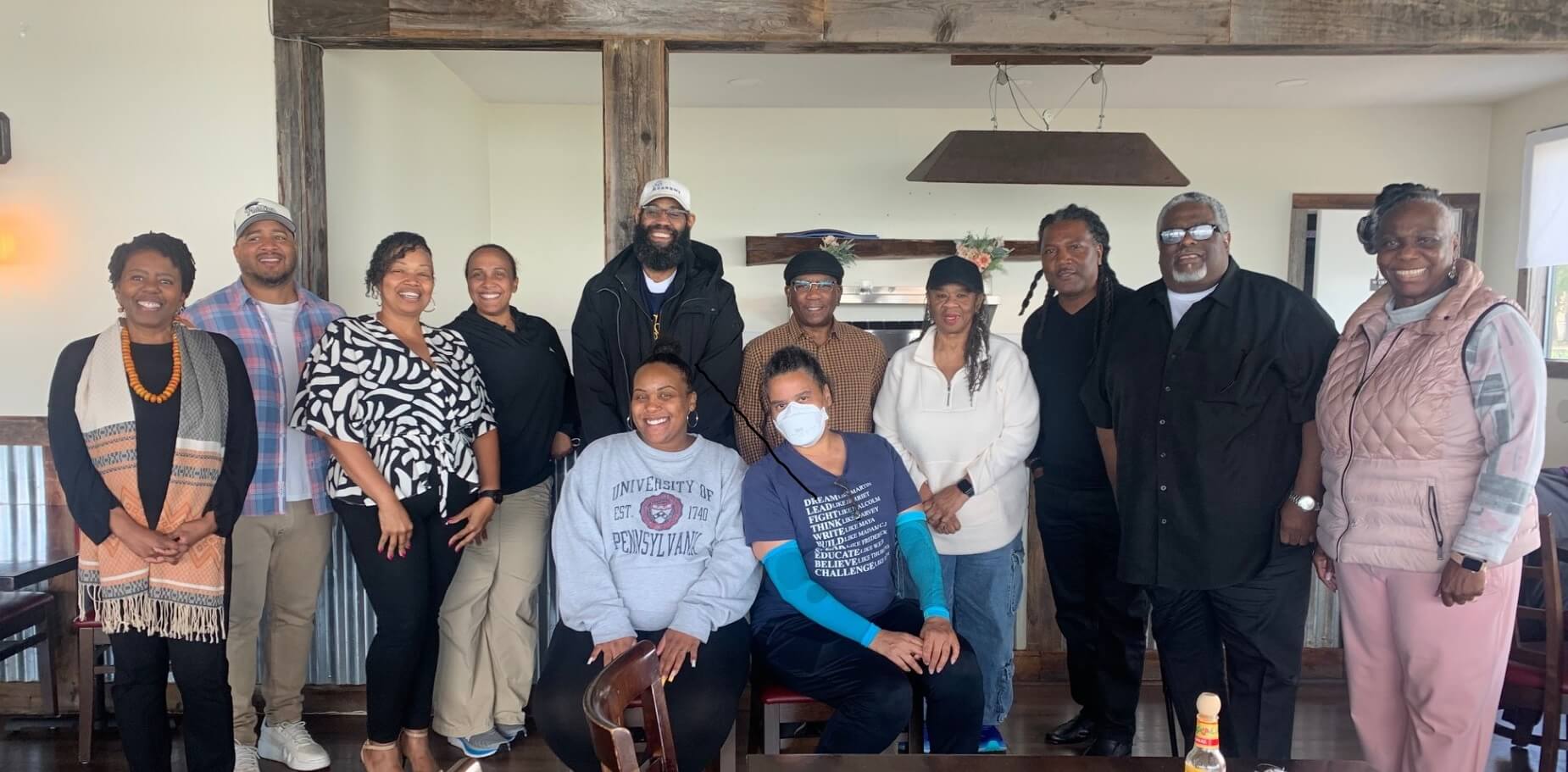
Celebrating Contributions to East Contra Costa County
Antioch and Pittsburg, two historically diverse cities in East Contra Costa County, are facing complex challenges including low educational outcomes, public safety concerns, and a growing unhoused population. At the same time, these communities offer strong opportunities for impact through grassroots leadership, civic engagement, and local momentum for change. The cohort’s focus builds on emerging partnerships with values-aligned elected officials and agencies like the Office of Racial Equity and Social Justice. By supporting community-led solutions and strengthening local infrastructure, this cohort is aimed at achieving long-term progress in Antioch and Pittsburg. Photo: SFF archives.
Antioch & Pittsburg Fellows: Tonya Amos, Grown Women Dance Collective; Delon Craft, STS Academy; Carol Dorham-Kelly, Rubicon Programs; Gigi Crowder, NAMI Contra Costa; William Goodwin, Hope Solutions; Ray Harts, Healthy Hearts; Dennisha Marsh, PAAACT; Willie Moffet, Jr., Pittsburg Youth Development Center; Deborah Polk, Reading Advantage Inc.; Taylor Sims, RCF Connects; Terron Ward, Wardboy Project; Shamawn Wright, Bridge Builders for the New Generation.