
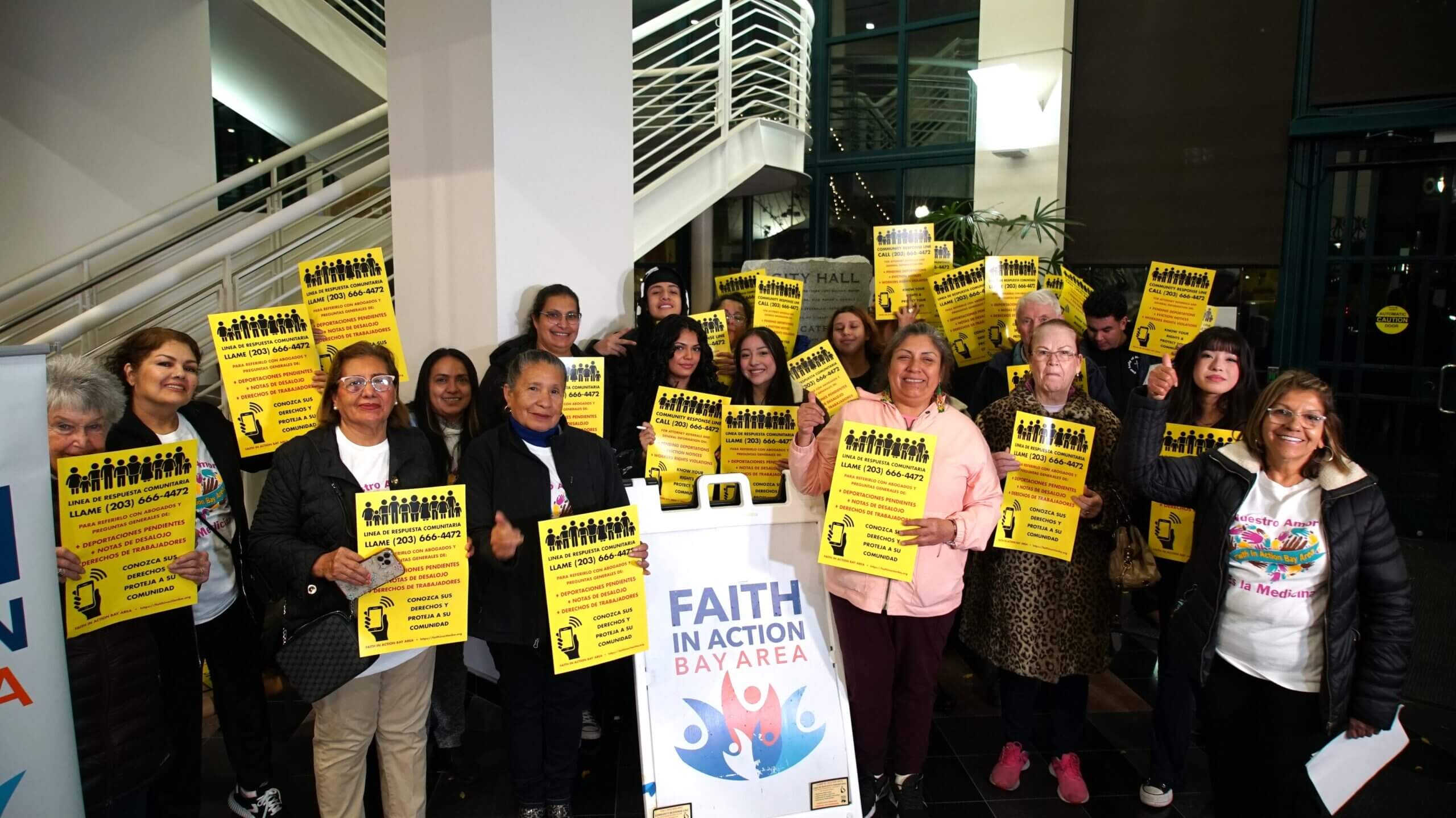
Faith in Action Bay Area Provides a Critical Lifeline for Immigrants
Our immigrant communities are integral to the vibrancy and economic vitality of the Bay Area, contributing to the region’s cultural diversity, filling in critical labor gaps as workers, and boosting local economies as small business owners. Right now, these communities are under attack as anti-immigrant policies strike fear of detainment and deportation, threatening their livelihoods. As a result, families are staying home, employees aren’t showing up to work, and immigrant-owned businesses are closing. More than ever, there is an urgent need to provide resources to help them navigate this challenging time and minimize the disruption these policies have on their daily lives.
SFF grantee Faith in Action Bay Area is one of the organizations at the forefront of this effort, recognizing the unique challenges immigrant communities are facing, particularly those who are undocumented or have limited access to traditional safety nets. Faith in Action Bay Area is meeting the moment by providing vital resources such as their rapid response hotline, immigration court accompaniment, verification of ICE presence, and financial support for impacted families:
- San Mateo County Rapid Response Hotline – A 24/7 hotline providing emergency legal support to individuals in San Mateo County who are detained by ICE, need answers to urgent immigration questions, or may need accompaniment to immigration appointments. Upon receiving notification of an ICE sighting and/or arrest, emergency response attorneys provide same-day legal support to the detainee and their family.
- Immigration Court Accompaniment – Daily, Faith in Action Bay Area volunteers accompany individuals from all over the Bay Area to immigration appointments in San Francisco, including court hearings and ICE check-ins. Accompaniment to court can act as a buffer to ICE intimidation and allow immigrants to continue their legal case and possible pathway to citizenship. As of October 2025, Faith in Action Bay Area has accompanied over 500 families to their appointments, activating emergency legal support when necessary, and ensuring that people do not have to face the fear of ICE alone.
- Verification of Potential ICE Activity – Trained members of the Verification Team located in all 23 cities within San Mateo County verify within minutes any rumors or reports made to the hotline. If ICE is present, the Verification Team observes and later provides information to the community about resources available to support anyone impacted by the enforcement activity. If a report is false and is only a rumor, the Verification Team works with the hotline to notify the caller about the false rumor and inform the community through social media.
- Cash Assistance / Mutual Aid – San Mateo County families directly impacted by ICE detention or deportation of their household breadwinner receive immediate financial support to complete rent, and up to $1,500 a month (an average of $3,000 per month, per family) for three months for basic necessities, as long as the community-based Mutual Aid Fund has funds. In cases of extreme need, the Faith in Action Bay Area Mutual Aid Fund helps families pay legal expenses with grants ranging from $3,000 to $15,000.
Additionally, the organization has led trainings to teach the community about their rights, how to use the hotline, and provide a space to connect with one another to increase resiliency in their schools, churches, clinics, and community centers, with more than 15,000 immigrant families participating in person.
Faith in Action co-director Lorena Melgarejo believes these resources have made a world of difference in the lives of those impacted by current immigration policy: “We are working with dozens of community members and families who are impacted by immigration detention or deportation. When a family calls to report that ICE has detained a loved one, we first connect them to legal support, which is the urgent first need to prevent an immediate deportation and ensure some measure of due process.” Melgarejo also says most families are at risk of homelessness and food insecurity, particularly if the primary financial provider is detained. “They are going through enough trauma. We want to at least make sure that they can keep a roof over their heads and food on the table for a few months. This is where our community can come in to support and ensure the family has what they need during such a challenging time.”
While the organization works diligently to meet the moment, their work extends beyond rapid response with a focus on renter protections and housing advocacy. In 2021, Faith in Action Bay Area launched a platform advocating for new measures, including rent control and anti-harassment renter protections in Redwood City. In 2025, their committee of homeless immigrant families successfully advocated to end evictions of families living in homeless shelters in San Francisco and secured $30 million in City funding for permanent solutions to child homelessness. By urging the city to modify its budget to include more funding and make housing more affordable, particularly for families with children, the organization’s goal is to be a beacon of hope and power for the communities they serve.
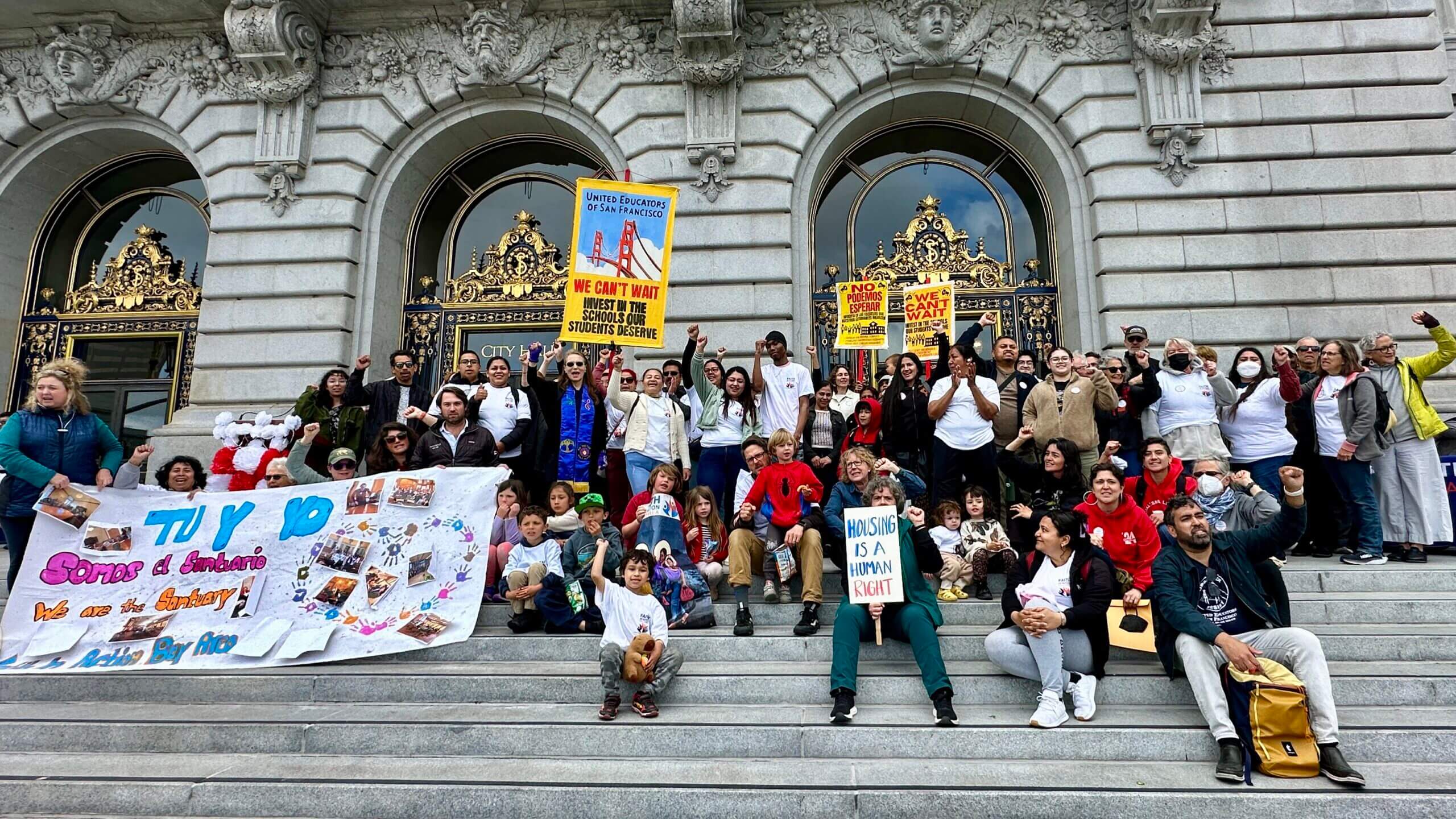
Faith in Action Bay Area’s approach to addressing community needs is rooted in the understanding that financial stability is a cornerstone of well-being and self-sufficiency, especially for those navigating the legal complexities of the immigration system. By offering vital lifelines, Faith in Action Bay Area not only alleviates immediate financial burdens and the fear immigrant communities are experiencing right now but also strengthens the overall health and vitality of the families and individuals they serve.
The San Francisco Foundation’s Stand Together Bay Area Fund is currently processing a grant to support Faith in Action Bay Area. The Stand Together Bay Area Fund works with donors and community nonprofits to distribute urgent financial assistance to immigrant families at risk of eviction, hunger, and family separation due to increased threats of detentions and deportations.
